Explore Marrakech with a Rental Car: Your Key to Discovering More
Marrakech is a city that invites you to get lost in its colours, scents, and sounds. While the heart of the medina is best explored on foot, renting a car opens up a completely different side of Morocco. With a reliable set of wheels, you’re free to drive through palm-lined avenues, visit quiet valleys, or escape to the Atlantic coast for a day.
Cheap car rentals in Marrakech are easy to find with Economybookings. You can compare deals from different companies, select your ideal pickup location, and find the right car for your budget and travel style. To get the best value:
- Choose pickup from Marrakech Menara Airport or slightly outside the city centre for better rates
- Shift your booking times to see if prices improve
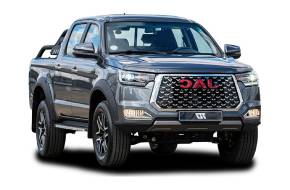
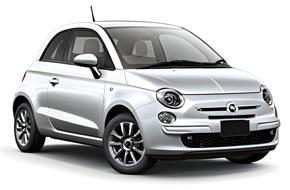
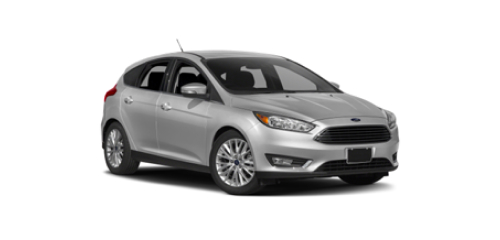
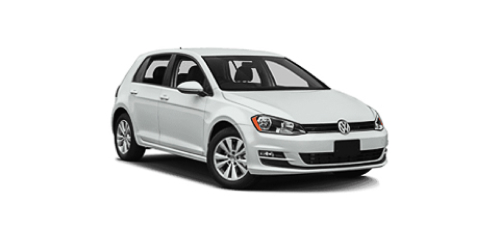
- Select an economy or compact car if you plan to stay in or near the city
- Make your reservation early during busy seasons like spring or autumn
Renting a car gives you control over your schedule and allows you to visit places that are far off the typical tourist route.
Helpful tips for car rentals in Marrakech
- Drivers usually need to be at least 21, with some companies requiring you to be 23 or 25 years old
- Those with newer licenses may find it more difficult to rent a car or may need to pay a higher deposit
- Read the rental contract carefully, especially the sections on insurance, deposits, fuel policy, and mileage limits
- Take a walk around the vehicle before driving off, and photograph any existing dents or scratches
- Compact cars are easiest to drive in the city, but SUVs may be better if you're heading into the mountains
- If your car doesn’t come with a toll device, ask how to pay on highways
Driving in and around Marrakech
Traffic in central Marrakech can feel unpredictable. You’ll likely share the road with scooters, cyclists, donkey carts, and pedestrians crossing where they please. If you’re driving outside of the city, the roads are generally in better condition and easier to navigate.
- Drive on the right side of the road
- Buckle up, as seat belts are required for everyone
- Use a hands-free system if you need to make a phone call while driving
- Keep your driving licence, rental documents, and passport in the car
- Police may set up roadside checks, especially on highways
- Roundabouts are common, and drivers already in the circle have the right of way
Speed limits in Morocco
Speed limits are usually well-marked. These are the most common limits unless otherwise posted:
- 60 km/h in towns and cities
- 100 km/h on open roads
- 120 km/h on highways
Watch out for changes in speed limits when entering villages or driving near schools. Speed cameras are widely used.
Reading Moroccan road signs
Road signs in Morocco use international symbols and are often in both Arabic and French. Even if you don’t speak the language, most signs are easy to interpret. It’s a good idea to use a GPS or mobile navigation app to keep you on track, especially in rural areas where signage may be limited.
Toll roads and urban driving zones
Many major highways in Marrakech charge tolls. The expressway from Marrakech to Casablanca, for example, is a toll road. Payment is made when you exit, either in cash or by card. Ask your rental company if the car comes with a Jawaz electronic toll pass or whether you can pay for one if you plan to use the highways frequently.
Within Marrakech, there aren’t any congestion charges or restricted low-emission zones, but finding parking near the medina can be tough. It’s a good idea to park at your hotel or in a private garage and walk into the old city.
Where to go with your rental car
A rental car makes it much easier to explore the areas outside Marrakech. Here are a few destinations worth the drive:
- Ourika Valley – About an hour and 20 minutes away, this lush green valley offers river views, mountain scenery, and the chance to visit small villages
- Essaouira – This relaxed coastal town is just under 3 hours away and is known for its beaches, seafood, and artist community
- Ouzoud Falls – Roughly a 3-hour drive brings you to one of Morocco’s most impressive waterfalls
- Imlil – A quiet village at the base of Mount Toubkal, about 2 hours away, a gateway for mountain hikes
- Agafay Desert – Less than an hour from Marrakech, this rocky desert is great for sunset dinners, camel rides, and stargazing
Best times for a road trip
Driving in Morocco is possible year-round, but some seasons offer better weather for road trips:
- Spring (March to May): Pleasant temperatures and blooming landscapes
- Summer (June to August): Very hot in the city, but the mountains and coast are cooler
- Fall (September to November): Mild weather and fewer crowds
- Winter (December to February): Good for city travel, but elevated areas might see snow
Languages spoken and communication
Modern Standard Arabic and Standard Moroccan Berber are the official languages, but both French and Arabic are used in most official settings and on signs. English is widely understood in tourist zones, including car rental offices. Most GPS apps display place names in English, which makes navigation easier for international visitors.
Currency and how to pay
The Moroccan Dirham (MAD) is the local currency. Most car rental companies require a credit card in the driver’s name for a deposit. Fuel stations in cities typically accept cards, but in smaller towns, cash is still common. It’s smart to carry some coins or small bills for parking or tips.
Popular drives from Marrakech
Here are a few routes that are perfect for a short trip from the city:
- Marrakech to Essaouira – Around 190 km, for coastal views and seafood
- Marrakech to Ouarzazate – A 3.5-hour scenic drive through the Atlas Mountains
- Marrakech to Imlil – A shorter 67 km trip into the mountains for hiking or relaxing
- Marrakech to Agadir – An over 3-hour highway drive south to some of Morocco’s best beaches


 Drive on
 Average price
 Cheapest price
 Most popular car type
 Best month to book
 Top rated supplier