

JA
JPY
 Drive on
Left Side
 Average price
€63.62 per day
 Cheapest price
€34.55 per day
 Most popular car type
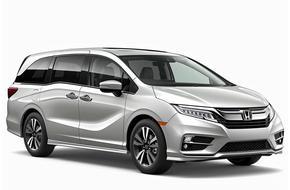
Van
 Best month to book
July
 Top rated supplier
IX Rental
Tips for renting a car inexpensively in Tokyo
Looking for a cheap car rental in Tokyo? With Economybookings, you can easily compare multiple providers to find the best possible deal across Japan. Whether you're planning to explore the historic city of Tokyo or take a scenic drive towards Mount Fuji and the surrounding countryside, a quick comparison can save you time and money.
Tips when renting a car in Tokyo
- Age, licence and documentation: The legal driving age in Japan is 18, but most rental companies require drivers to be at least 20-21 years old and to have held a full driving licence for at least one year. Foreign visitors almost always need an International Driving Permit (IDP, 1949 Geneva Convention) together with their home licence; a small number of countries have bilateral arrangements permitting use of a domestic licence or a certified translation, so check with the hire firm before travel.
- Insurance and excess cover: basic rental usually, but not always, includes Collision Damage Waiver (CDW) and Theft Protection (TP). Independent excess insurance can often be cheaper compared to desk offers.
- ETC (Electronic Toll Collection): Tokyo’s expressways are heavily tolled and most drivers use ETC. Ask the desk if the car includes an ETC unit and whether an ETC card is provided or rentable. Using ETC lanes saves time and may provide discounted toll rates; if you do not use ETC you will pay at booths and face delays.
- Fuel policy: ‘Full-to-full’ (same-to-same) is the most common policy; ‘full-to-empty’ often results in inflated charges.
- Location and booking strategy: airport hires in Tokyo include premium surcharges; using off-airport locations and shuttles can slash prices significantly. Book early and watch for price drops, as some sites allow free cancel-and-rebook to take advantage.
- Inspect, document, and dispute: do a detailed walkaround and check the bodywork, tyres, lights, and equipment. Photograph all existing damage and note on the rental form. On return, photograph again and get a signed checkout record to guard against post-return disputes.
- Road etiquette: drive on the left and overtake on the right. Roundabouts are relatively uncommon in central Tokyo but follow the same left-side driving rules. Be courteous to drivers who indicate or yield; polite signalling is part of driving culture.
- Car type: opt for a small car for easier parking and narrow roads.
- Pick up your car at Haneda Airport, Narita Airport or outskirts for easier access.
- Avoid rush hour: Tokyo’s expressways and arterial approaches are busiest 07:00-09:00 and 17:00-20:00. The Shuto Expressway Inner Circular (C1) and radial links, plus the Tomei and Kanetsu approaches, can be heavily congested at these times. Plan long-distance or scenic drives outside peak commuter windows.
Driving tips in Tokyo
- Drive on the left and overtake on the right. This is universal throughout Japan.
- Roundabouts and junctions: Roundabouts are less common than in Europe; where they exist follow local signage and give way as indicated. At multi-lane junctions follow lane markings closely and prepare early for exits.
- Headlight etiquette and horn: Use dipped headlights at night and in poor visibility. Avoid using the horn except to warn of immediate danger; casual horn use is uncommon and may be seen as rude.
- Seat belts and child restraints: Seat belts are compulsory for all occupants. Child seats are required for younger children and rental companies can supply child seats on request.
- Lane discipline on expressways: Stay in the left lane unless overtaking. Use the middle and right lanes for passing; avoid lingering in the middle lane. Hard shoulders are for emergencies only.
- Parking, coin parks and apps: Tokyo relies heavily on coin parking (short-stay bays) and multi-storey car parks. Apps such as Times Parking (TIMES) and Park24 help locate and pay for spaces. Many city car parks are pay-by-space and enforce strict time limits.
- No stopping / no parking rules: On-street parking is extremely limited and local police enforce illegal parking strictly. Illegally parked vehicles are likely to be ticketed and towed; fines and retrieval fees can be high.
- Fuel suppliers and payments: Common brands include ENEOS, Shell, and Idemitsu. Most stations accept cards and cash, but English assistance may vary at smaller roadside stations.
- Carry documentation: Keep your driving licence, International Driving Permit and rental contract with you at all times. If you are stopped, present documents politely when requested by police.
- Mobile phone and navigation: Using a hand-held phone while driving is prohibited. Use a properly mounted holder for navigation and a hands-free kit for calls. Pocket Wi-Fi or a local eSIM is useful for reliable mapping outside the city.
- ETC card and toll lanes: Use ETC lanes where possible to avoid queues on the Shuto Expressway and other tolled routes. If the rental does not include ETC, factor toll booth payment times into your schedule.
- Major ring roads and congestion: The Shuto Expressway network (C1 inner loop, C2 central loop) and links to the Tomei, Tohoku and Kanetsu expressways are the main arteries. Expect heavy congestion near city centre ramps and on holiday weekends; plan alternate routes or off-peak departures.
- Narrow streets and pedestrians: Many inner-city neighbourhoods have very narrow streets and high pedestrian density. Drive slowly, watch for cyclists and pedestrians, and be prepared to use multi-storey parking rather than searching for kerbside spots.
Speed limits
In Japan all speed limits are posted in kilometres per hour. In most urban areas the typical posted limit is 40 km/h, while many residential side streets use 30 km/h or lower, particularly where there is high pedestrian activity. On ordinary rural roads limits commonly range from 50 to 60 km/h, depending on road class and signage. On expressways and motorways the standard maximum is 100 km/h for passenger cars, though specific sections may be signed at 80 km/h, 70 km/h or, on a small number of modern high-standard sections, 120 km/h.
Variable speed limits are used on many expressways and the statutory defaults apply when no sign is present, so always obey the posted speed limit for the section you are on. Enforcement is active with fixed cameras, mobile radar units and police patrols, and local authorities have been introducing lower limits on narrow residential streets to improve safety, so watch for new signs and adjust speed for conditions.
Road signs
Road signage in Tokyo follows international pictogram standards and is widely bilingual in Japanese and English on major roads and around airports, but minor streets and alleyways often carry only Japanese text so be prepared for that in dense neighbourhoods.
- Tokyo has extensive one-way systems, many short-stay loading bays and pedestrianised streets where stopping is prohibited; signs always show exact hours of restriction and police and municipal ward officers actively enforce illegal stopping, illegal parking and blocking of driveways.
- Illegal parking is taken seriously and typically results in a fine, immobilisation or towing to a local pound. Fines and recovery fees can be substantial and the process frequently involves onsite documentation and a fine notice on the windscreen followed by a mailed bill.
- Speed cameras and mobile radar units are in use on arterial and expressway approaches and town councils run local time-restricted zones such as school slow-zones or temporary event closures, so pay close attention to time plates on signs and photograph the sign and your vehicle when parking if you are unsure.
Tolls and restricted zones
Tokyo has a dense network of tolled urban expressways and intercity expressways managed by multiple operators; tolls are collected at booths or automatically via ETC lanes and can add significant cost to intercity trips. The Shuto Expressway network that circles and threads central Tokyo has many short sections with per-section tolls and a mix of cash lanes and ETC lanes, so using ETC is strongly recommended because it speeds passage and avoids long queues at junctions.
Some central streets have time-restricted access for deliveries and buses, but Tokyo does not operate a city-wide congestion charge like some other world cities. Nevertheless, certain camera-enforced bus-only lanes and pedestrian priority zones are strictly policed. If you expect to use the expressways frequently, ask your rental company about renting an ETC card or unit and check whether the rental firm will bill tolls to your card or whether you should pay tolls at booths or online.
Discover Tokyo by car
Japan is a country full of rich history to discover. Renting a car in Tokyo gives you the flexibility to explore both the cities and nearby attractions. A car unlocks short drives and hidden gems around Tokyo that public transport doesn’t reach properly. A car is extremely handy for jumping onto the expressway at first light to beat weekend traffic to mountain or coastal day trips. If you do plan to drive in the city, favour secure multi-storey car parks rather than hunting for on-street spots. Many accept cards but watch the height limits and they can have short-stay fees that add up quickly.
The real reward of hiring a car near Tokyo is the access it gives to varied landscapes within easy reach. Drive west for Hakone and the Fuji Five Lakes region to find hot springs, lakeside viewpoints and classic mountain panoramas that feel a world away from the neon. Southward along the coast the Izu Peninsula delivers cliff roads, onsen towns and quiet coves; some coastal ferries also accept vehicles on limited sailings, but you must book in advance. To the north the shrines and waterfalls of Nikko sit in a calm mountain bowl where parking is plentiful and roads are relaxed compared with Tokyo’s bustle. For quick cultural escapes consider Kawagoe, the “Little Edo” with its preserved warehouse quarter, or Kamakura with its giant Buddha and seaside temples; both are reachable in under two hours, but each has narrow streets and limited parking so plan a single car park stop and walk the rest.
When to Visit
Tokyo is a year-round destination. Spring (late March to May) and autumn (October to November) are the best windows for driving excursions from Tokyo: the weather is comfortable, daylight is generous and foliage or sakura viewing enhance scenic routes. Golden Week and the New Year period are the busiest domestic travel windows and roads to tourist sites can be extremely congested, so avoid long drives during those national holidays if possible. Summer is hot and humid and can bring heavy rain during the Tsuyu season in June-July, whereas winter has shorter daylight but is ideal for clear visibility on mountain drives and for accessing Fuji views on cold, crisp mornings.
Languages & Communication
Japanese is the national language and most roadside signage on major roads and expressways includes English, however minor local signs and municipal notices may be Japanese only. English is widely spoken at airport rental counters, major hotels and tourist services but less so in small rural agencies, so keep key phrases ready and save contact numbers for your rental company.
Currency & Payments
Tokyo uses the Japanese yen (¥). Credit and debit cards are widely accepted at hotels, department stores, larger restaurants and most major retailers, but many smaller shops, street vendors and some taxis remain cash-preferred or cash-only, so carry some yen for incidents and small purchases.
Top driving routes from Tokyo
- Tokyo offers compact, high value driving loops that are easy to combine with short stops.
- Hakone and the Fuji Five Lakes loop - leave Tokyo in the early morning and take the Tomei/Odawara corridor for Hakone’s winding mountain roads, lake cruises and open-air museum. From Hakone continue toward the Fuji Five Lakes basin for classic Mt Fuji views, Chureito Pagoda photos and easy lakeside strolls.
- Izu Peninsula coastal circuit - the Izu coast rewards slow driving: cliffside roads, seaside onsen towns such as Atami and Ito, and dramatic viewpoints around the Jogasaki Coast.
- Nikko and the mountain shrines - Nikko is an easy, calm escape north of Tokyo. The drive becomes progressively quieter and greener as you climb into the national park where parking for Toshogu Shrine, Kegon Falls and Lake Chuzenji is generally straightforward and inexpensive. This route is especially rewarding in autumn when the maple leaves blaze.
- Kawagoe and “Little Edo” cultural loop - under an hour from central Tokyo this short drive delivers Edo-period warehouses, historic streets and easy parking on the outskirts. It is perfect for a relaxed morning and afternoon of walking, pottery shopping and local sweet treats. Because the town is compact, plan to park once and explore on foot to avoid the narrow central streets.
- Practical planning points include always budgeting for expressway tolls and considering renting or borrowing an ETC card at the rental desk because ETC lanes shave time and sometimes give discounts. Keep a close eye on seasonal holiday periods such as Golden Week and Obon when roads to Hakone, Fuji and Izu become exceptionally busy.
These routes are ideal for day trips or weekend escapes, with truly unforgettable views.
Do you need a rental car in Tokyo?
For most visitors who plan to stay in central Tokyo and visit museums, temples and neighbourhoods a car is not necessary because the rail and metro network is faster, more frequent and far cheaper than driving and parking. A rental car becomes highly useful if you plan day trips to multiple rural or coastal destinations, if you have specialist equipment, or if you travel in a small group or family where door-to-door flexibility matters. Many Tokyo visitors combine both approaches: use public transport while in the city and pick up a rental at a suburban or airport branch for countryside legs.
How to pay tolls in Tokyo with a rental car?
Japan’s expressways use a ticketed toll system and many toll booths support cash and card while ETC lanes process electronic payments automatically, so using ETC is recommended because it speeds passage and often qualifies you for discounted toll rates. Most rental companies offer an ETC unit and an ETC card for a small daily fee. Ask about billing practices because some companies bill tolls and ETC rental fees to the card on file while others expect you to pay tolls at booths or online.
Experience the top locations with car rental in Tokyo

Opening hours
Address
Documents on pick-up
Credit Card
Take your credit card in the main driver`s name with a limit large enough to cover the excessPassport
Take your passportDriving License
Take your local and international driving license
Opening hours
Address
Documents on pick-up
Credit Card
Take your credit card in the main driver`s name with a limit large enough to cover the excessPassport
Take your passportDriving License
Take your local and international driving licenseAll car rental in Tokyo

Discover the cheapest car rental in Tokyo
* Disclaimer: Prices and availability shown may not reflect today’s rates.





Car rental companies in Tokyo
We have prepared a shortlist of top rental companies in Tokyo. To save both time and money compare offers on EconomyBookings.com to find the best deal.
Nissan Rent A Car
 8.4 / 45 reviews
Yesaway
7.5 / 24 reviews
Explore Our Wide Range of Popular Car Types
Find exclusive special offers on popular car types and Save Big with EconomyBookings!



* Disclaimer: Prices displayed may not reflect today's rates.


Subscribe to our newsletter
Sign up and stay updated on our special offers and best deals.
By signing up you agree to EconomyBookings Privacy Policy



- All trips in one place
- Instant confirmation
- App-only deals