Drive through Munich: A laid-back way to explore southern Germany
Munich is the kind of place where old-world architecture and modern living sit side by side. You could stick to the efficient buses and trains, but having your own car gives you a different kind of freedom. Picture yourself rolling out of the city and into the countryside, taking in castles, lakes, and little towns that you’d otherwise miss.
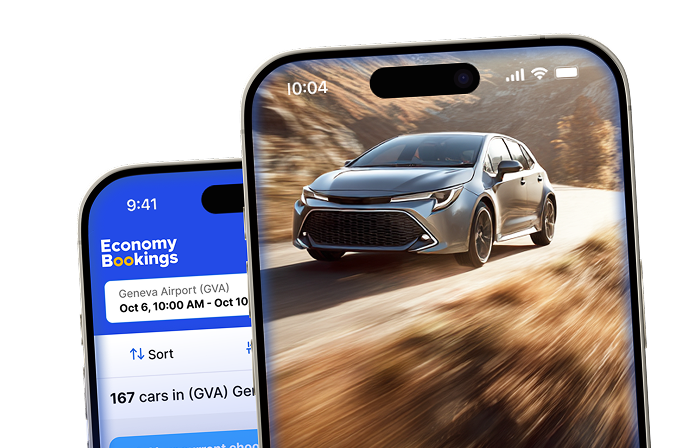
If you're after cheap car rentals in Munich, you're in luck. With Economybookings, you can compare rates across several providers at once. Want to stretch your dollar a bit further? Here are a few tips:
- Try picking up your car at Munich Airport. There’s often more choice and better deals.
- Shifting your booking time by just a few hours can lower your rate.
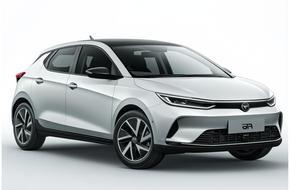
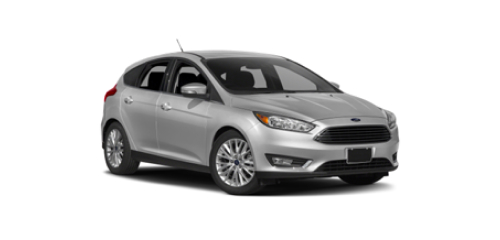
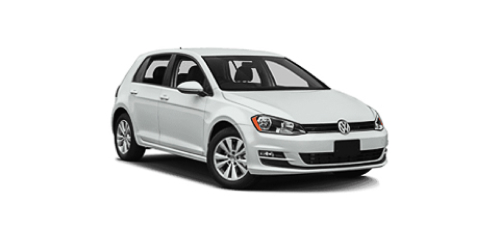
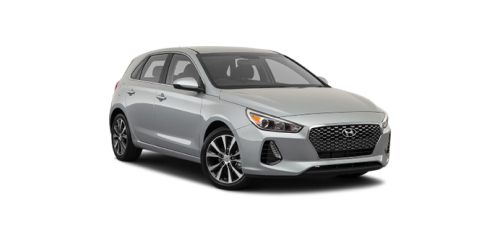
- Compact cars are usually the most affordable and parking-friendly.
- Booking ahead can make a big difference during busy travel periods.
Before you hit the road, here’s what to know about car rentals in Munich
- Most rental companies require you to be at least 21, and in some cases, 23 years old.
- If your driver’s licence isn’t in German or English, it’s smart to bring an International Driving Permit.
- Manual transmission is common in Germany. Ask for an automatic if you’re more comfortable with it.
- Review your rental agreement for fuel policy, mileage, and insurance details.
- Walk around the vehicle before leaving, and take photos of any dings or marks just in case.
Getting around the city by car
Driving in Munich is fairly straightforward. The roads are in great condition, signage is clear, and drivers are generally respectful. That said, the city centre can get busy, especially during weekday mornings and late afternoons. Parking spots can also be a bit of a hunt.
Here are a few basics:
- Stay on the right-hand side of the road.
- Everyone in the car must wear a seat belt.
- Talking on the phone while driving is only allowed if you’re using a hands-free setup.
- Keep your driver’s licence, rental papers, and some form of ID with you.
- Watch for bikes. Cyclists have dedicated lanes and the right of way in many places.
Speed limits to keep in mind
Germany is known for its autobahns, but that doesn’t mean you can drive as fast as you like everywhere. Some stretches have no fixed speed limit, but a recommended speed of 130 km/h still applies. Many zones do have posted limits, and they’re enforced, especially in towns and on smaller roads.
- In towns and city areas: 50 km/h unless marked otherwise.
- On country roads: 100 km/h.
- On highways (autobahns): follow the posted limits where they apply. When there is no set limit, the recommended speed is 130 km/h.
Stick to the posted signs and be aware that some autobahn zones do have mandatory speed caps.
Understanding road signs
Road signs in Germany follow a fairly standard format and are easy to understand, especially if you’re used to driving in Europe. A few things to note:
- Red circles usually signal restrictions (like speed limits or no entry)
- Blue signs point out required directions or types of roads.
- The green "Umweltzone" signs mean you’re entering a low-emission zone, so check that your car qualifies.
Paying tolls and driving in low-emission zones
You won’t have to pay highway tolls when driving a private car on Germany’s autobahns, but you do need to be aware of environmental zones. Munich has a designated low-emission area where cars must display a valid emissions sticker. Most rental cars already have this, but it’s worth double-checking when you pick up the vehicle.
Where to go with your rental car
The beauty of renting a car in Munich is that you can easily take day trips or short getaways. Here are a few places that are just a drive away:
- Neuschwanstein Castle – This postcard-perfect castle is just under two hours away.
- Lake Starnberg – About 45 minutes southwest. Great for swimming or a walk by the water.
- Garmisch-Partenkirchen – Head here for mountains, skiing, or hiking. It’s about 90 minutes away.
- Salzburg, Austria – Another country is within reach, around 1.5 to 2 hours from Munich.
- Regensburg – A well-preserved medieval town northeast of Munich, roughly a 90-minute drive.
When’s the best time to visit?
Munich is a year-round destination, but the driving experience changes with the seasons:
- March to May – Mild and pleasant, perfect for countryside drives
- June to August – Great weather, but also peak tourist season
- September to November – Cooler weather and fall colours make for scenic routes
- December to February – Cold and sometimes snowy. Winter tires are required in wintry conditions, and many rentals will be equipped accordingly.
Languages and navigation
German is the main language, but most rental agents and staff in tourist spots speak English. GPS systems and apps like Google Maps work well and can give directions in English too.
Currency and cards
Germany uses the Euro. You’ll need a credit card to rent a car in most cases. Fuel stations typically accept cards, though smaller ones may still be cash-only. Keep a few coins handy for parking meters.
Top drives from Munich
- Munich to Neuschwanstein Castle: About 120 km
- Munich to Lake Tegernsee: Roughly 60 km south
- Munich to Rothenburg ob der Tauber: Around 2.5 hours northwest
- Munich to Nuremberg: Around 170 km north
- Munich to Chiemsee: About 1.5 hours to the east


 Drive on
 Average price
 Cheapest price
 Most popular car type
 Best month to book
 Top rated supplier