Tips for Renting a Car Inexpensively in Lisbon
Looking for a cheap car rental in Lisbon? With Economybookings, you can easily compare different companies to find the best deals on rental cars in and around the city. Whether you only need a vehicle to get around Lisbon itself or you’re planning a coastal road trip to Cascais, Sintra, or the Alentejo, a quick comparison can save you both time and money.
- Compare pick-up locations – when searching, choose “Lisbon” as a whole rather than a single address or only the airport. This usually gives you access to more offices in the city and makes it easier to find a cheap car rental.
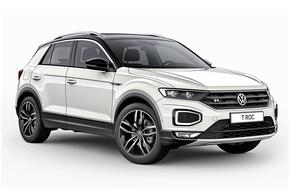
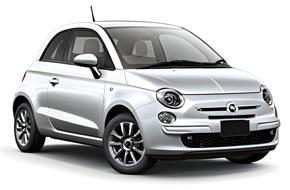
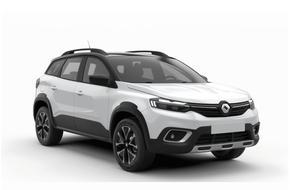
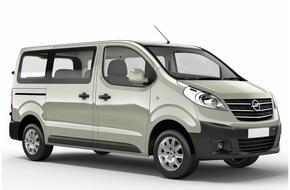
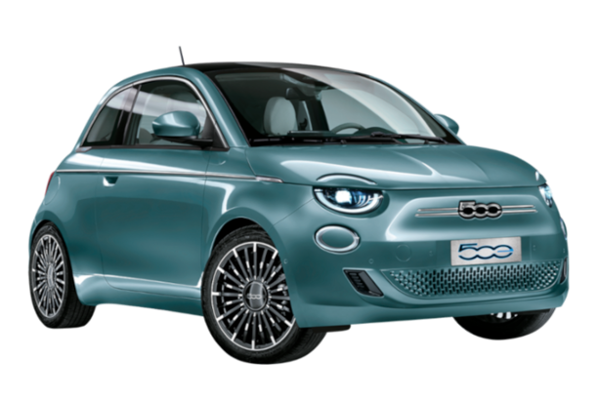
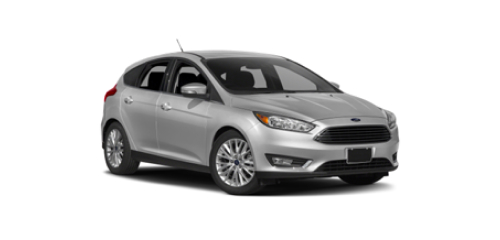
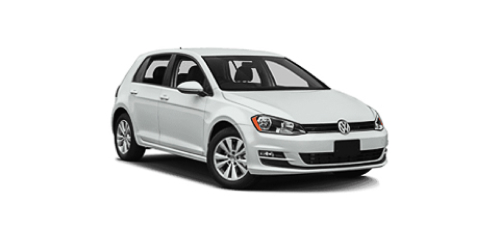
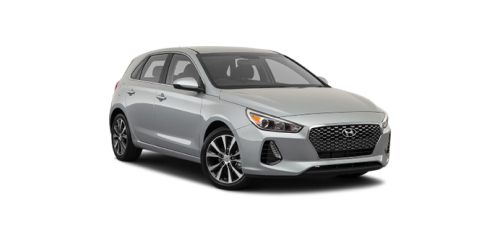
- Choose small or compact cars – they’re usually cheaper, use less fuel, and are much easier to handle on Lisbon’s narrow, hilly streets.
- Book early – prices in Lisbon rise quickly at Easter, in summer, and during the Santos Populares festivities in June, when the city fills up with visitors. Booking in advance helps you lock in better rates and availability.
Tips when renting a car in Lisbon
- If you’re flying in, Lisbon airport is the most convenient place to pick up your rental car. Almost all major rental companies have desks in Terminal 1, right by the arrivals area, so it’s very easy to collect your vehicle.
- Traffic in Lisbon can be chaotic at rush hour. Try to avoid the 2ª Circular, the Nort-South axis, and the approaches to the 25 de Abril and Vasco da Gama bridges roughly between 7:30-10:00 and 17:00-19:30.
- In the city center, you’ll find Low Emission Zones (ZER). Rental cars usually meet the environmental requirements, but it’s worth checking the restriction map if you plan to park in older neighborhoods.
- If you’re mainly driving around Lisbon’s historic center, choose a small car. The streets are narrow and steep, and parking will be much easier with a compact vehicle.
- Many motorways around Lisbon are tolled and use the Via Verde electronic system. Ask whether your rental car has the device installed; it can save you time, queues, and any issues paying tolls.
Driving tips in Lisbon
- Always carry your driver’s license, rental contract, and insurance documents.
- In Portugal, you drive on the right and overtake on the left. Always use your indicators before changing lanes or turning.
- Pay close attention to tramps. Avoid driving along the tracks more than necessary, don’t brake sharply on the rails, and never overtake a tram if people are getting on or off.
- Lisbon is full of hills and cobblestone streets. Use lower gears on climbs, take it slowly on descents, and ensure the handbrake is firmly engaged when parking.
- Common fuel stations in Lisbon and across Portugal include Galp, BP, Respol, Caepsa, Prio, and Auchan.
- Portugal has strict drink-driving laws. The general limit is 0.5 g/L of alcohol in the blood, dropping to 0.2 g/L for professional drivers and those with less than three years of driving experience. Fines are high and can include losing your license.
- Parking in the city center can be tricky. Most on-street parking requires payment during the day. Regulated parking zones are usually in effect Monday to Friday from 8:00 to 20:00. At weekends and on public holidays, parking is sometimes free, but spaces can be hard to find. You can pay at the meter or use apps such as EMEL or Telpark.
Speed limits
In Lisbon, typical speed limits are:
- 120 km/h (75 mph) on motorways.
- 100 km/h (62 mph) on expressways reserved for cars and motorbikes.
- 90 km/h (55 mph) on secondary roads outside urban areas.
- 50 km/h (31 mph) on city streets.
- 30 km/h (19 mph) on many residential streets and in quieter areas, especially historic neighborhoods or zones with lots of pedestrians.
- 20 km/h (12 mph) in shared spaces where pedestrians and vehicles use the same area.
Road signs
Road signs in Lisbon follow the European standard: clear icons and speed limits shown in km/h. Directional signs are in Portuguese and clearly mark the main neighborhoods, bridges, and exits toward the motorways. Around the city, you'll see bus lanes marked "BUS" with accompanying vertical signs; these lanes are reserved for public transport and cannot be used by cars. Low Emission Zones (ZER) are also clearly signposted with specific symbols. In general, signage for car parks, tunnels, and bridges is abundant and easy to follow.
Tolls and restricted zones
Around Lisbon, several motorways are tolled, and two main bridges cross the Tagus River: the 25 de Abril and the Vasco da Gama. On both bridges, tolls are only charged in the direction heading into Lisbon, and the cost for regular cars is a few euros per trip. You'll also find tolls on the main motorways linking the capital with other regions. Many of these use electronic systems like Via Verde, so checking how your rental handles toll payments is important.
Discover Lisbon by car
Renting a car in Lisbon is a great idea if you want to go beyond the historic center. A rental car makes it easy to combine neighborhoods like Belém or Parque das Nações with nearby day trips. Within an hour, you can reach Sintra, with its fairy-tale palaces and dense forests; Cascais and Estoril, where you'll find seaside promenades, beaches, and a relaxed coastal vibe; or the Arrábida Natural Park to the south, where scenic roads wind between mountains and turquoise coves.
When to Visit
Lisbon has a mild climate, with warm summers and relatively gentle winters.
- March – May: Pleasant temperatures, longer days, and fewer crowds. This is a great time to stroll through the historic center, viewpoints, and neighborhoods like Alfama or Bairro Alto without the intense summer heat.
- June: The city comes alive with the "Festas de Lisboa" and the Santo António celebrations, with street music, grilled sardines, and parties in traditional neighborhoods.
- September – October: The weather is still good, but there are fewer tourists than in peak summer. It's ideal for mixing cultural visits with short trips outside the city.
- Winter (November – February): Expect more rain and wind, but temperatures remain mild compared to many other European destinations.
Languages & Communication
Portuguese is the official language in Lisbon. However, it's one of the Portuguese cities where you'll hear the most English spoken, especially in hotels, restaurants, car rental offices, and tourist areas. Most staff speak good English and often Spanish too, so you'll have no trouble communicating even if you don't speak Portuguese.
Currency & Payments
Lisbon uses the euro (€). You can pay by card almost everywhere, and mobile payments are very common, particularly in supermarkets and businesses geared toward tourists.
Even so, it's a good idea to carry a bit of cash for small purchases at local bakeries, cafés, or markets. ATMs are widely available across the city, so withdrawing money when you need it is easy.
Top driving routes from Lisbon
If you rent a car in Lisbon, you'll have plenty of great day trips within two hours of the city. A few ideas:
- Sintra: About 30-40 minutes away, Sintra is home to storybook palaces like Pena Palace and Quinta da Regaleira. From there, you can drive on to Cabo da Roca, the westernmost point of mainland Europe, with dramatic cliff views.
- Cascais and Estoril: Follow the coast west to Estoril and Cascais, where you'll find a seafront promenade, beaches, historic fortifications, and a laid-back atmosphere.
- Serra da Arrábida: Crossing either the 25 de Abril or Vasco da Gama bridge takes you toward the Arrábida Natural Park, where scenic roads wind between hills and hidden coves.
- Évora and the Alentejo: Around an hour and a half inland, Évora offers a UNESCO-listed old town with city walls, a Roman temple, and peaceful squares. The drive through the Alentejo passes fields, cork oak groves, and whitewashed villages, perfect if you're looking for a more rural escape.



 Drive on
 Average price
 Cheapest price
 Most popular car type
 Best month to book
 Top rated supplier