Tips for Renting a Car Inexpensively in Fuerteventura
Looking for a cheap car rental in Fuerteventura? With Economybookings, you can easily compare multiple providers to find the best deals across the island. Whether you're planning to drive from end to end or spend your days on the beach, a quick comparison can save you time and money.
- Compare pickup locations - Sometimes collecting your car in town or in major resort areas is cheaper than at the airport.
- Slightly adjust pickup and return times - Even shifting your booking by an hour can make a difference to the final price.
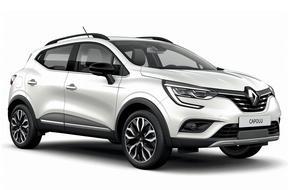
- Choose compact cars - These are usually the most affordable and fuel-efficient, ideal for long island distances.
- Book early - Peak seasons like summer or holiday periods see prices climb quickly, so reserving in advance helps secure better rates and availability.
Tips when renting a car in Fuerteventura
- The airport (FUE) offers the widest selection and more stable pricing. You'll also find offices in Corralejo, Caleta de Fuste, and Morro Jable, though fleets can be limited in high season.
- Driving is straightforward: main roads are wide and well surfaced. A compact car is more than enough to see the island; the wind is frequent, so keep a firm grip on the wheel on exposed stretches.
- Cofete and other southern tracks: Access is via unpaved roads, and many companies prohibit driving on tracks in the rental contract. If you decide to go, do so only with a suitable vehicle and understanding the risks.
- In Corralejo and other resort areas, surface parking is generally free, but near beaches and around midday, it fills up. Start early for the dunes and northern coves, and always respect no-parking signs.
- Avoid driving in intense calima or during strong gusts: increase your following distance and reduce your speed.
Driving tips in Fuerteventura
- Always carry your driver's license, rental contract, and insurance documents.
- Drive on the right, overtake on the left, and always signal your intentions.
- Pedestrians have the right of way at crosswalks; make sure you stop for them.
- Roundabouts require attention. Pick your lane before entering: the inner lane for overtaking and the outer lane for exiting. Yield to traffic already in the roundabout and signal right when you exit.
- The island is very windy; on days with strong gusts, keep a firm hold on the wheel as crosswinds can unsettle the car. Near dune areas, sand may blow onto the road—slow down to avoid skidding.
- Popular gas stations include DISA, Cepsa, and BP.
- Spain has strict alcohol laws: the limit is 0.5 g/L (0.3 if your license is under two years old). Fines can easily exceed €500.
Speed limits
In Fuerteventura, typical speed limits are:
- 120 km/h (75 mph) on highways.
- 90 km/h (55 mph) on secondary roads.
- 50 km/h (31 mph) on city streets.
- 30 km/h (19 mph) on residential or narrow streets.
- 20 km/h (12 mph) in shared pedestrian zones.
Road signs
Road signs in Fuerteventura follow the European standard: clear icons with limits in km/h. The island has no large cities or heavy traffic, so signage is simple and easy to follow. In towns, you'll find well-marked 30 km/h (and occasionally 40 km/h) zones, while the narrowest streets are often pedestrian-only and signed accordingly. On roads near the coast or dunes, watch for warnings about strong crosswinds or sand on the carriageway.
Tolls and restricted zones
There are no toll roads in Fuerteventura; every road is free to use, so you can drive the island without extra charges. You will, however, encounter typical pedestrian areas or restricted-access streets in some town centers with time-limited vehicle access. These areas are clearly marked and usually have nearby parking.
Discover Fuerteventura by car
Fuerteventura means endless beaches and rolling dunes. It's a large, sparsely populated island, so renting a car is almost essential if you want to see it all. In the north, you can drive alongside the Corralejo Dunes Natural Park, a vast expanse of white sand facing turquoise seas. Further south, the Jandía peninsula offers wild beaches like Cofete, hidden behind mountains, and the sweeping sands of Sotavento, ideal for windsurfing.
When to Visit
Fuerteventura stands out for its long beaches and dry, breezy climate—there's sunshine almost year-round.
- Winter (December-March): Sunny days and mild temperatures, with virtually no rain—perfect for mid-January beach time and escaping colder climates.
- May-June and September: Warm weather, gentler winds, and fewer crowds. Ideal months to explore at a relaxed pace, enjoy quieter beaches, and try water sports.
- July-August: Stronger trade winds (the Windsurfing World Cup is even held at Sotavento) and the island at its liveliest; the sea is warmer, but it's also peak season.
Languages & Communication
Spanish is the official language in Fuerteventura, spoken with a soft Canarian accent. In the main tourist hubs, English is widely used thanks to international visitors. Outside those areas, English is less common, but locals are friendly and you'll get by.
Currency & Payments
The euro (€) is the local currency. Cards are widely accepted in hotels, restaurants, and shops in tourist areas. Still, carrying a bit of cash is useful if you're heading to rural villages, local markets, or beach bars off the beaten path. ATMs are available in the main towns and resort zones.
Top driving routes from Fuerteventura
Long beaches, dunes, and volcanic scenery make Fuerteventura perfect for road-tripping to its most authentic corners:
- Corralejo Natural Park: Cruise through pale sand dunes beside emerald waters, with views of nearby Isla de Lobos.
- El Cotillo & Faro del Tostón: Drive to the laid-back fishing village of El Cotillo for a dip in its turquoise lagoons (La Concha), then watch sunset by the historic Tostón Lighthouse.
- Sotavento Coast (Jandía): Head south along the Jandía peninsula to the endless sands of Sotavento, where low tide forms sparkling lagoons.
- Cofete, the wild beach: Tackle the dirt track to Cofete, a vast, untouched beach backed by mountains at the island's southern tipremote and breathtaking.
- Betancuria & the interior: Cross the island via its former capital, Betancuria, a quiet colonial village set among ravines. Along the way, stop at viewpoints like Morro Velosa and sample Majorero cheese at local farms.


 Drive on
 Average price
 Cheapest price
 Most popular car type
 Best month to book
 Top rated supplier