- Home
- Europe
- Spain-Mainland
- Marbella

Cheap Car Rental in Marbella

- Secured payment guarantee
- 10+ million clients
- Multi-language support
- Booking of any class cars
- 600 providers worldwide
ES
EUR
 Drive on
Right Side
Tips for Renting a Car Inexpensively in Marbella
Looking for a cheap car rental in Marbella? With Economybookings, you can easily compare different companies to find the best deals on cheap car hire in Marbella. Whether you're planning to get around the Costa del Sol or explore inland villages, a quick search can help you save both time and money. In this area, Málaga Airport handles a large share of car rental traffic, and summer is the busiest time of year.
- Compare pick-up locations: compare Málaga Airport with Marbella itself. The airport usually has more choice thanks to the competition between rental companies.
- Adjust your dates and times: even changing your pick-up or drop-off time by just one hour can make a difference to the final price.
- Choose a basic or small car: they are cheaper, use less fuel, and are easier to drive, especially if you're getting around between the centre, the beach, and restaurants.
- Book early: if you're travelling in summer, it's worth reserving your rental car in advance for better prices and wider availability.
- If you're planning to spend several days without leaving Marbella, it may make more sense not to pick up the car as soon as you arrive.
Tips when renting a car in Marbella
- Picking up the car at Málaga-Costa del Sol Airport is usually the most practical option. The rental offices are in Terminal 2.
- Marbella has regulated parking areas and both public and private car parks in the centre, but it's still better to go for a small, easy-to-handle car.
- If your trip is mainly focused on the city, it can sometimes be worth leaving the car parked and getting around on foot. On the other hand, if you want to visit Ronda, Mijas, or drive along the coast, having the car from the start will be much more useful.
Driving tips in Marbella
- Always carry your driver's license, rental contract, and insurance documents.
- Drive on the right and overtake on the left. Always signal before any manoeuvre.
- Pedestrians have the right of way at crosswalks, so always stop for them.
- Pay attention at roundabouts. Choose your lane before entering: the inner lane is for overtaking, and the outer lane is for exiting. Give way to traffic already on the roundabout and signal right when you leave.
- If you're heading into Marbella's old town, it's best to leave the car in a car park and continue on foot, as the streets are narrow and driving around inside is awkward.
- Marbella's regulated parking zones (blue and green zones) operate Monday to Friday from 9:00 AM to 2:00 PM and from 4:30 PM to 8:30 PM, and on Saturdays from 9:00 AM to 2:00 PM. Sundays and public holidays are free.
- Popular fuel stations include Repsol, BP, Moeve, and Shell.
- In Spain, driving under the influence of alcohol is not allowed. The legal limit is 0.5 g/L (0.3 if you have held your license for less than two years). Fines can easily exceed €500.
- If you break down or have an incident on the road, the mandatory warning device is the connected V16 beacon.
Speed limits
In Marbella, these are the most common speed limits:
- 120 km/h (75 mph) on motorways and dual carriageways.
- 90 km/h (55 mph) on secondary roads.
- 50 km/h (31 mph) on streets with more than one lane in each direction.
- 30 km/h (19 mph) on streets with a single lane in each direction.
- 20 km/h (12 mph) in shared pedestrian zones.
In the urban area, along the seafront promenade, and in residential developments near the centre, you'll find many stretches limited to 30 km/h, so keep an eye on the signs even if the road looks straight.
Road signs
Road signs in Marbella follow the European standard: clear, easy to understand, and with limits shown in km/h. On the main avenues, it's common to see bus-and-taxi lanes and 30 km/h zones, while in the old town, the streets are mostly narrow, pedestrianised, or have limited access. You'll also find frequent signage towards beaches, marinas, car parks, and access points to the AP-7, which is useful in such a visitor-focused city.
Tolls and restricted zones
There are no tolls for driving around Marbella itself, but the AP-7 runs nearby and does charge tolls on several stretches of the Costa del Sol. If you prefer to avoid tolls, you can use the A-7, which is the free alternative, although it is usually busier.
As for restricted areas, Marbella has a Low Emission Zone (ZBE) in the historic centre, so it's worth checking the signs and current rules before driving in. The old town also has many pedestrian streets or limited-access roads, so it's important to pay close attention to the signs to avoid fines.
Discover Marbella by car
Marbella is famous for its beaches and lively atmosphere, and renting a car gives you the freedom to explore the Costa del Sol and the inland area much more fully in the same trip. You can head towards Estepona and follow the coastal route at a relaxed pace. You can also drive inland and visit villages such as Mijas, with its amazing views, or Benahavís, perfect for a leisurely meal in a more rural setting. If you want to discover somewhere really special, drive to Ronda: mountain roads, spectacular scenery, and a town that leaves a real impression. In short, renting a car in Marbella lets you combine beaches, white villages, and mountains without depending on organised tours or timetables.
When to Visit
Marbella has pleasant weather for almost the whole year, but there are certain months when it's even more enjoyable thanks to the atmosphere and overall comfort.
- May and June: These are the best months to go. The weather is good, without the intense heat of summer, and there are not yet so many tourists. It's a great time to enjoy the beach, go for walks, and sit out on a terrace.
- June: The Feria and San Bernabé festivities take place, so the city feels lively and full of energy.
- September and the first days of October: The weather is still good, the sea remains pleasantly warm, and there are already fewer people than in July and August.
Languages & Communication
Spanish is spoken in Marbella, with an Andalusian accent, but don't worry if you only speak English: in hotels, restaurants, beach clubs, shops, and tourist businesses, it's very common for staff to assist you in English. Marbella is a very international city, so in some areas it's also relatively easy to find service in other European languages.
Currency & Payments
The euro (€) is used in Marbella. You can pay by credit or debit card almost everywhere, from restaurants and beach clubs to car parks, supermarkets, and shops. Even so, carrying some cash can be useful for street markets, small bars, or occasional expenses. ATMs are easy to find both in the centre and in the more touristy areas.
Top driving routes from Marbella
If you rent a car in Marbella, you can enjoy routes combining beaches, mountain scenery, and the typical white villages of Andalusia, all within fairly manageable driving distances.
- Ronda: One of the most famous drives from Marbella, especially because of the A-397, which climbs towards the Serranía de Ronda with excellent views for much of the journey. Once there, it's worth strolling through the historic centre, heading to Puente Nuevo, and seeing the Guadalevín River up close.
- Mijas Pueblo: A short and very easy getaway if you're in the mood for a relaxed plan. It's a typical white village on the Costa del Sol, with narrow streets, viewpoints, and open views between the mountains and the sea.
- Estepona: Another easy beach escape. Its old town is very well kept, with flower-filled streets and pleasant squares, and it also has a long seafront promenade and places such as the botanical garden and the Orchidarium.
- Benahavís: A perfect route if you want to swap the coast for the interior and enjoy a quieter setting. The village is surrounded by mountains and is very well known for its gastronomy.
- Western Costa del Sol: An easy route for linking together stops by the sea. You can move at a relaxed pace through areas such as Puerto Banús or San Pedro de Alcántara, alternating between beaches, promenades, marinas, and lively towns without needing to make big detours.
Car rental companies in Marbella
We have prepared a shortlist of top rental companies in Marbella. To save both time and money compare offers on EconomyBookings.com to find the best deal.
SOLO
 8.9 / 41 reviews
Enterprise
7.9 / 15 reviews
Explore Our Wide Range of Popular Car Types
Find exclusive special offers on popular car types and Save Big with EconomyBookings!
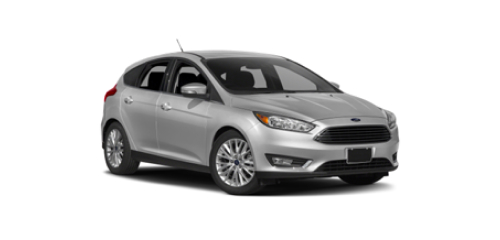
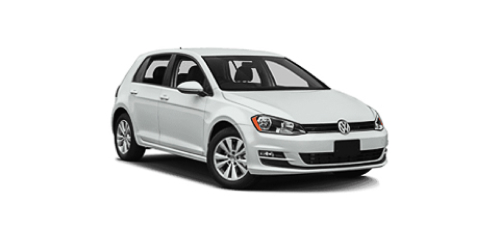
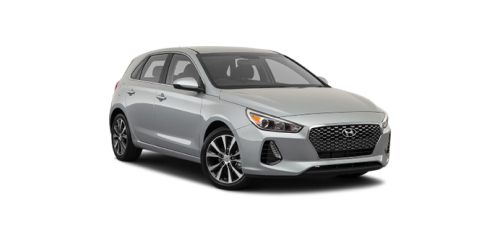
* Disclaimer: Prices displayed may not reflect today's rates.


Subscribe to our newsletter
Sign up and stay updated on our special offers and best deals.
By signing up you agree to EconomyBookings Privacy Policy



- All trips in one place
- Instant confirmation
- App-only deals