Ottawa may be best known for its historic landmarks and Parliament Hill, but there’s so much more to discover once you step off the usual tourist path. Renting a car is one of the most practical ways to explore not only Canada’s capital but also the surrounding countryside, towns, and nature trails that lie just beyond the city limits. If you're searching for cheap car rentals, EconomyBookings offers plenty of options to suit every budget. A car gives you the freedom to go at your own pace, whether you’re in town for business, leisure, or a bit of both.
Tips when renting a car in Ottawa
- Rent a car if you plan to explore beyond the downtown core, as many natural and historical sites are easier to access by vehicle.
- Traffic tends to build up during weekday rush hours on major routes like Highway 417 and Bronson Avenue.
- Ottawa International Airport (YOW) has a good selection of car rental providers and often offers better availability than smaller downtown depots.
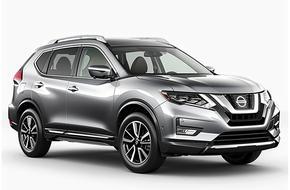
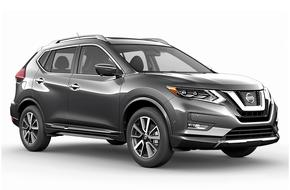
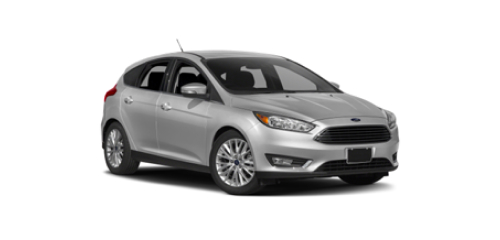
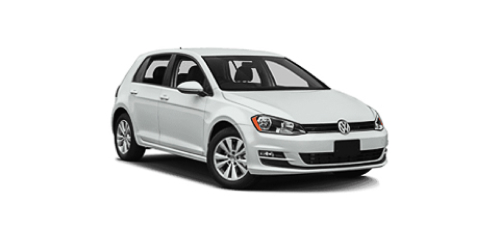
- Compact cars are a smart choice for city driving, while an SUV may be better for rural routes or winter travel.
- On-street parking is common but regulated, so pay close attention to signs and use parking apps to avoid tickets.
- Walk around your rental car before leaving the lot and take photos of any existing scratches or dents.
Driving tips in Ottawa
- Drive on the right-hand side and pass on the left.
- Always obey posted speed limits, especially in school zones and residential neighbourhoods.
- Use your horn only when absolutely necessary, as Canadians generally drive courteously.
- Flashing headlights may indicate that another driver is yielding, but never assume and make sure to proceed cautiously.
- In winter, roads may be icy or snow-covered, so give yourself extra time and increase following distances.
- Use the City of Ottawa's PayByPhone app for metered parking zones and city-run lots.
- Highway 417 (The Queensway) is the city’s main east–west artery and connects to other major routes like Highway 416 and Highway 7.
- Keep your driver’s licence, insurance documents, and rental agreement with you at all times.
Speed limits
Speed limits in Ottawa typically follow Ontario’s provincial standards:
- 50 km/h on most urban and residential streets
- 30–40 km/h in designated school zones or near playgrounds (check for posted hours)
- 80 km/h on rural roads
- 110 km/h on provincial highways like the 417
Ottawa uses photo radar in some school zones and red-light cameras at key intersections. Speeding fines can add up quickly, especially in areas with automated enforcement, so it's always worth sticking to the limit.
Road signs
In Ottawa, road signs are bilingual (English and French), easy to follow, and based on international driving symbols. Speed limits are posted in kilometres per hour (km/h), and signs are typically well-positioned before intersections or changes in traffic flow. Note that if you drive into neighbouring Quebec, signs will appear mostly in French.
Tolls and restricted zones
There are no toll roads or congestion charges in Ottawa. You’ll be able to drive throughout the city and surrounding areas without encountering any fee-based routes.
There are also no low-emission zones or ultra-low-emission requirements in Ottawa at this time. That said, certain roads downtown have turn restrictions or peak-hour access rules. Always check the signs, especially near government buildings or event venues.
Discover Ottawa by car
Ottawa is full of cultural attractions, green spaces, and historic neighbourhoods, and a rental car makes it easy to experience them all. You can start your journey downtown with a visit to Parliament Hill or the National Gallery, then drive 10 minutes to the Arboretum or Dows Lake for a relaxing break.
In winter, a rental car makes it easy to visit skating trails, winter festivals, or ski hills within an hour or two of the city, especially useful for families or travellers with gear.
When to Visit
Ottawa is a four-season city, each offering its own type of adventure:
- Spring (April to June) – Great for tulip gardens, bike rides, and warming weather.
- Summer (July to August) – Ideal for exploring markets, riverside parks, and national events.
- Fall (September to October) – Scenic drives through Gatineau Park are at their best with the autumn colours.
- Winter (November to March) – If you don’t mind snow, this is a great time for skating on the Rideau Canal and other outdoor experiences.
Please note that winter driving requires more caution, and snow tires are recommended. Certain rural roads may be icy or poorly maintained.
Languages & Communication
Ottawa is officially bilingual, and most signage, forms, and customer service will be available in both English and French. English is widely spoken across the city, but knowing a few French phrases may come in handy if you plan to drive into Quebec.
Currency & Payments
Canada uses the Canadian Dollar (CAD). Credit and debit cards are accepted almost everywhere in Ottawa, including for parking, gas, and tolls (where applicable). Tap-to-pay is common, and most rental agencies accept major cards for deposits and payments. ATMs are also widely available if you need cash.
Top driving routes from Ottawa
With a car, you can reach some of Eastern Ontario and Western Quebec’s most scenic spots within just a few hours:
- Gatineau Park – Only 20 minutes away, perfect for hiking, canoeing, and fall colours.
- Wakefield, QC – A peaceful riverside village with a covered bridge and local shops (35 minutes).
- Merrickville – Often called "the prettiest village in Canada," and located just over an hour’s drive away.
- Mont Tremblant – A popular resort town for skiing or hiking, about 2.5 hours away.
- Kingston – A historic waterfront city just under two hours south on Highway 416 and 401.
- Prince Edward County – A bit further at 2.5 to 3 hours, but great for wine tours and beach days.


 Drive on
 Average price
 Cheapest price
 Most popular car type
 Best month to book
 Top rated supplier