Tips for Renting a Car Inexpensively in Vancouver
Looking for a cheap car rental in Vancouver? With Economybookings, you can easily compare multiple providers to find the best possible deal across Canada. Whether you're planning to explore the vibrant city or head out to the surrounding natural landscapes, a quick comparison can save you time and money.
- Compare pickup locations – Select the broader city instead of a specific location to unlock more deal options, including off-airport savings.
- Slightly adjust pickup times and dates – Even changing your booking by an hour can reveal lower rates.
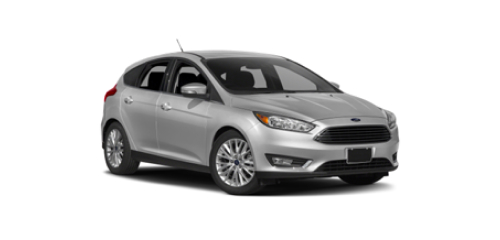
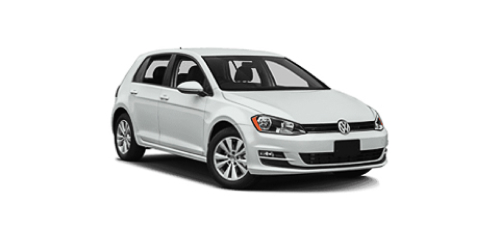
- Choose economy or compact cars – These vehicle types are usually the most budget-friendly.
- Book early – Especially during peak travel seasons like summer (June to August) and the winter holiday period, advance booking helps secure lower prices and better availability.
Tips When Renting a Car in Vancouver
- Renting a car in Vancouver is popular thanks to a less extensive public transit system and a more spread-out downtown core than Toronto, so book early.
- Watch for congestion on bridges connecting Vancouver to other areas during morning rush hour (6:00 am to 8:30 am) and afternoon rush hour (4:30 pm to 7:00 pm).
- Consider your vehicle needs (hybrid or SUV, for example), whether you’re going for outdoor adventure or driving around the city.
- Vancouver is colloquially called “raincouver” for a reason. Make sure you rent a car with good wipers and consider all-wheel drive if you plan on venturing on coastal roads.
Driving Tips in Vancouver
- Drive on the right and overtake on the left.
- Vancouver doesn’t have freeways running directly through its downtown core, so expect to navigate city streets and traffic lights when driving downtown.
- Use parking apps like PayByPhone to find/pay for legal spots in and around the city.
- Popular gas stations: Esso, Shell, Petro-Canada
- Keep your license, rental papers, and insurance with you at all times.
- Consider park and ride options if your destination is in Vancouver or North Shore due to heavy traffic (The Skytrain is your best bet!)
- Watch for seagulls and wildlife near coastal areas, especially when driving near waterfronts and parks.
Speed Limits
Vancouver follows basic speed limits of 50 km/h (31 mph) on city roads, with school zones, street bikeways, and playground zones having smaller limits of 30 km/h (19 mph). Some areas may have different speed limits, so be sure to check any posted signs.
Road Signs
Road signs in Vancouver are generally very standardized and easy to understand and follow. You’ll find that they’re all in English and use symbols to make navigation more straightforward. However, you may find that some road names are also listed in Indigenous languages around the University of British Columbia (UBC) or along the Sea-to-Sky Highway. Speed limit signs are in kilometres per hour (km/h). You may also see Bike Route signs that signal caution and Transit Only lanes that are reserved for buses and taxis during peak hours.
Tolls and Restricted Zones
There are no toll roads in Vancouver. However, there were two toll bridges in the area—the Port Mann Bridge going to Surrey and Coquitlam and the Golden Ears Bridge connecting Pitt Meadows, Maple Ridge, and Langley. As of September 2017, tolls have been removed, making them free to access.
Discover Vancouver by Car
Since Vancouver is well-known for its spectacular scenery and natural playground for outdoor activities, it’s no surprise that visitors turn to car rentals to complement their trip. While people often like to explore the city’s gastronomic delights, vibrant arts and entertainment scene, and urban parks, there’s nothing quite like a journey to destinations around Vancouver: Whistler, Victoria, Squamish, Vancouver Island, and other spectacular cities and towns. A car gives you the freedom to reach these places whenever you like.
When to Visit
Vancouver has some of the milder temperatures in Canada, considering that winters rarely drop below freezing. However, it’s well-known for being a rainy city, with an average of 166 days of rain every year. The wettest months are November and December, so you’ll want to avoid them if you’re looking for dry outdoor adventures.
Despite this, Vancouver welcomes visitors year-round. The best time to explore is from March to May for fresh blooms, from June to August for summer weather, and from September to October for fall colours and a less busy atmosphere. Winters can be chilly and wet, so it’s smart to pack waterproof layers and check road conditions if you’re heading for the mountains.
Languages & Communication
English is the primary language in Vancouver. But as it’s a multicultural city, it won’t be uncommon to hear Cantonese, Chinese, Punjabi, Urdu, and other international languages.
Currency & Payments
Vancouver uses the Canadian Dollar, with credit and debit cards widely accepted and extremely common. Visa, Mastercard, and other contactless options are most popular. ATMs are easy to find throughout the city and suburbs, but cash is rarely used, although certain street vendors may appreciate it.
Top Driving Routes from Vancouver
- Sea to Sky Highway – Sweeping views of cliffs and waterfalls on the way to wonderful Whistler.
- Vancouver to Okanagan Valley – Winding drive through mountains and desert landscapes to BC’s wine country.
- The Coastal Circle Route – Ferry rides, seascapes, the Sunshine Coast, and many wineries, organic farms, and artsy towns.
- Hot Springs Circle Route – A string of natural pools around the Kootenay Rockies with railway history and mountain resorts.
- Great Northern Circle Route – One of the longest but most popular routes on the legendary Alaska Highway that goes through Northern BC into the Yukon.
BC is dotted with well-maintained roads, highways, and scenic pit stops, which make it easy to explore unforgettable destinations around the province.


 Drive on
 Average price
 Cheapest price
 Most popular car type
 Best month to book
 Top rated supplier