
Cheap Car Rental in Dubai

- Secured payment guarantee
- 4 million users
- Multi-language support
- Booking of any class cars
- 600 providers worldwide


 Capital:Abu Dhabi
 Language:AR
 Currency:AED
 Drive on:Right Side
Car rental in Dubai: driving one of the world’s fastest growing cities
Dubai is a city and emirate in the United Arab Emirates. Famous for luxury shopping, ultramodern architecture and scenic nightlife, the lavish and extravagant lifestyle of the city is arresting! This has made the city one of the fastest growing destination in the world; drawing the attention of hordes of tourists from all across the globe. Whether you’re taking a family vacation, a business trip or a personal day off work, Dubai offers extensive touring packages to cover for any vacation!
Why your next vacation needs to be in Dubai, United Arab Emirates
Ranging from cultural exhibitions, architecture, and beaches, Dubai offers all the glamorous modern add-ons you might think of for a vacation. Therefore, planning a one-stop vacation to Dubai will be fascinating! How about visiting the following jaw-dropping views?
The Burj Khalifa - When on a vacation to Dubai, you’ll hardly miss the sight of the breathtaking landmark in Dubai; The Burj Khalifa. The 0.8km building forms the tallest building in the world! When using a rental car in Dubai, you’ll want to drive to the building. Tourists are taken to the 124th floor; the observation deck. The ground view from the observation deck is staggering! You’ll want to see the extensive desert on one side and the ocean on the other side of the skyscraper. It’s fascinating! Back on the ground, beautifully designed gardens wrap around Burj Khalifa.
Dubai Mall - After visiting the jaw-dropping Burj Khalifa, you might want to check on the Dubai Mall. It’s the premier mall providing entry to the Burj Khalifa and the Dubai Aquarium. Here, you’ll experience the impressive ice-skating rink, the farming zone as well as the cinema complex. You’ll have a more entertaining vacation of a lifetime. Shopping lovers will love the spot; there are all-time shopping and eating facilities!
Dubai Aquarium - This is one of the major tourist attraction spots in Dubai. It’s a home to 140 species of sea life in the huge suspended tank at the ground floor of Dubai Mall. Taking a walk to the underwater zoo, you’ll experience the mind-blowing experiences of walking through the aquarium tunnels!
Burj al-Arab - Perhaps you wish to experience a world-class hotel, you might want to drive to the Dubai coastline to the Burj Al-Arab, the world’s tallest hotel. The breathtaking Hotel is designed to imitate a billowing dhow sail. You’ll also love the choreographed colored lighting shows on the exterior of the building at night. Burj Al-Arab is among the most expensive hotels offering high-class suites and cuisines!
Dubai Museum - When you rent car in Dubai, you’ll want to drive down to the Dubai’s excellent museum housed in the Al-Fahidi Fort. You’ll love the sight of the coral blocks making up the walls; held together with lime. You’ll learn the history of the Fort; from housing the royal family, to act as a garrison, and a prison! You’ll love the courtyard; the home to several traditional boats and palm-leaf house with Emirati wind-tower. The sight of weaponry, musical instruments and dioramas are mind-blowing! Other scenic sites include the Ferrari World, Abu Dhabi, Yas Waterworld and the Sheikh Zayed Grand Mosque.
Tips for renting a car inexpensively in Dubai
Of course, Dubai has an allure of scenic spots worth visiting. However, the glamorous places are scattered all over the land. You’ll need convenient transit services to move through the various places of interest. Needless to say, you’ll not have the freedom to gallivant around and enjoy all the beautiful sceneries Dubai has to offer unless you consider car hire in Dubai services. Fortunately, there are numerous agencies that offer cheap car rental services. Despite seeming like a dainty task, it is quite easy to rent a car in Dubai.
Whether you’re taking your family for a vacation, taking your spouse for honeymoon or acquaintances for a business vacation, you’re assured of a suitable transit service when you seek cheap car hire in Dubai. There are various classes of cars to choose from;
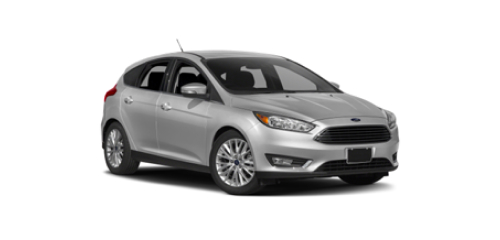
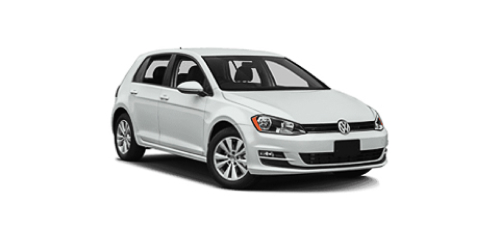
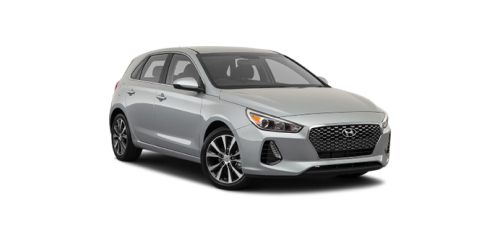
- Economy
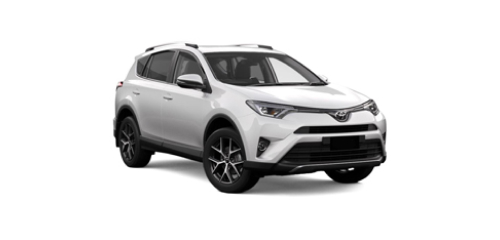
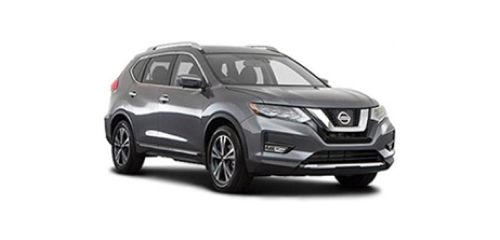
- SUVs
- Standard
- People Carrier
- Estate
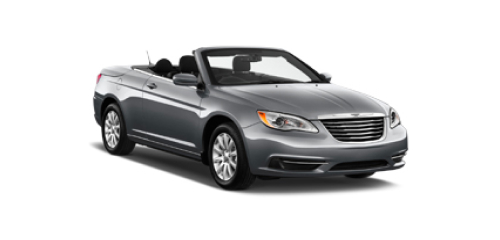
- Convertible
- Luxury
Cheap car rental in Dubai
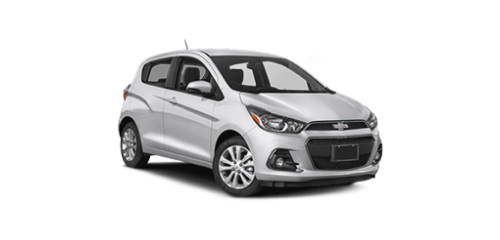
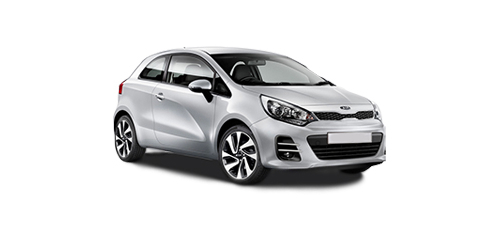
However, you’ll need to know which kind of car to rent. For instance, when taking a vacation with family, friends or even acquaintances, you’ll need a car with higher capacity and luggage space such as the SUVs and Vans. When taking a personal vacation, you might want to consider economy class cars. They’re classic and economic. You can take one of the following;
- Ford Figo or similar (mini class) – $16/day
- Hyundai I10 or similar (economy class) – $17/day
- Mitsubishi Lancer or similar (compact class) – $23/day
- Toyota Corolla or similar (intermediate class) – $26/day
- Kia Optima or similar (standard class) – $31/day
Whether you’re alighting in Dubai Airport, Sharjah or even Abu Dhabi airport, you’ll find a pickup station at the airport. No need to worry how to get to your booked hotel room. Other pickup stations include the Dubai Sheikh Zayed Road as well as Dubai Jumeirah; just to mention a few.
Whether you’re driving to the Burj Khalifa, Wild Wadi Water Park or the ski Dubai, you’ll not have to worry about the routes to take. All rental cars are fitted with a GPS navigation system to help you identify the various routes to scenic spots or even gas stations. Why not plan a vacation and take a rental car in Dubai? You’ll have a once in a lifetime adventure!
More about Dubai
- Time Zone- UTC +04:00
- Currency- Dirham (AED)
- Language- English, Arabic
- Second point
Experience the top locations with car rental in Dubai

Opening hours
Address
Documents on pick-up
Credit Card
Take your credit card in the main driver`s name with a limit large enough to cover the excessPassport
Take your passportDriving License
Take your local and international driving license
Opening hours
Address
Documents on pick-up
Credit Card
Take your credit card in the main driver`s name with a limit large enough to cover the excessPassport
Take your passportDriving License
Take your local and international driving license
Opening hours
Address
Documents on pick-up
Credit Card
Take your credit card in the main driver`s name with a limit large enough to cover the excessPassport
Take your passportDriving License
Take your local and international driving license
Discover the cheapest car rental in Dubai

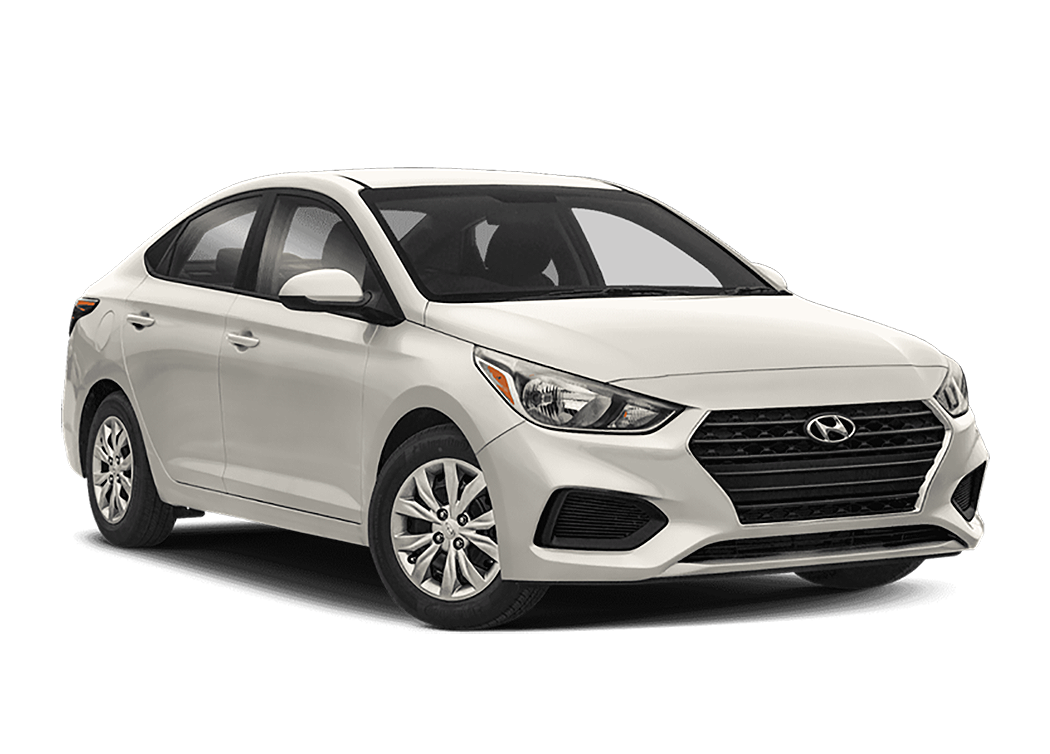





* Disclaimer: Prices displayed may not reflect today's rates.
What our customers say
Арендую в DRIVUS второй раз (не выбирала их специально, выбирала по цене и доступности машины в разных места получения и возврата авто, попались DRIVUS второй раз). Оперативно отвечают везде, доставка автомобиля в любую точку, возврат без менеджера - просто оставила ключи в машине и ушла - очень удобно

Компетентность персонала. Быстрое оформление и предоставление авто в соответствии с пожеланиями.
Easy process to secure the vehicle I wanted and upon arriving they offered us a larger vehicle of better spec because they could see we had alot of luggage to carry at no extra cost!! Vehicle presented so well also!!
God offer from Economybooking with multiple vendors listing. Very supportive rent a car from drivus in dubai. They have delivered and picked up without any extra charge.
During the taking the car team was great and helped me lot. I appreciate their proffesionalism and valuable support with full info. During the drop off Edith helped me lot !
Car rental companies in Dubai
We have prepared a shortlist of top rental companies in Dubai. To save both time and money compare offers on EconomyBookings.com to find the best deal.

 Van Rental in Las Vegas
 Van Rental in United Kingdom
 Van Rental in Portugal
 Van Rental in Canada
 Van Rental in Australia
 Van Rental in Italy
 Truck Rental in Germany
 Truck Rental in France
 Truck Rental in Ireland
 SUV Rental in Spain-Mainland
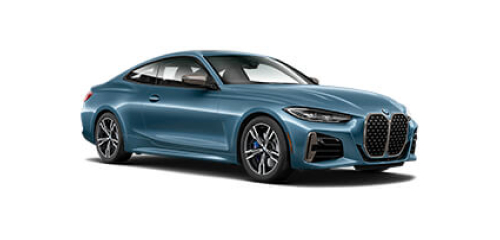
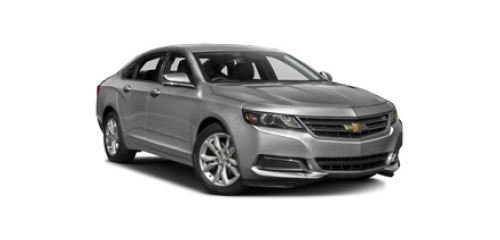
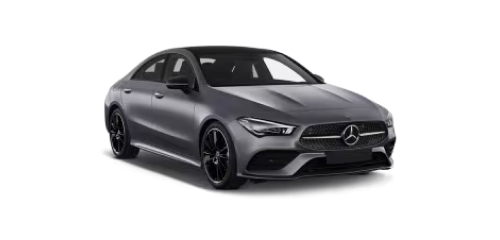
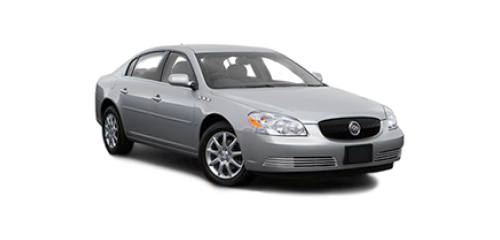
 Premium Car Rental in Dubai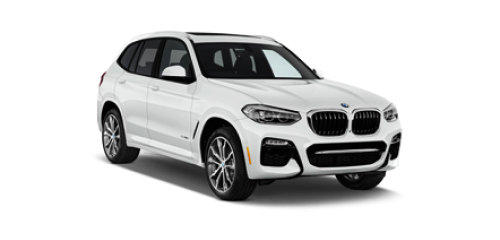
 Limousine Rental in Prague
 Electric Car Rental in Iceland
 Electric Car Rental in New Zealand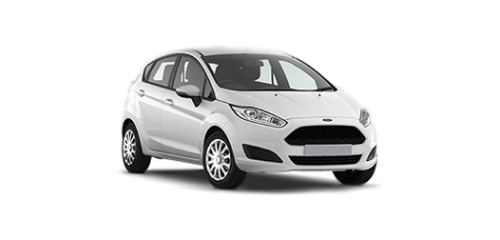
 Economy Car Rental in Costa Rica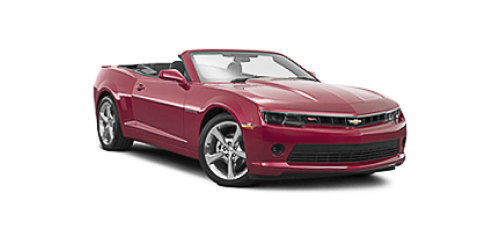

 Economy Car Rental in Greece
By signing up you agree to EconomyBookings Privacy Policy

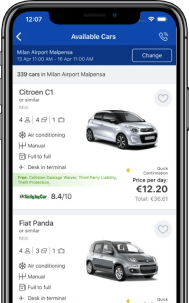
Get the App
or scan QR code to download the APP