Reykjavik, Iceland, is a compact, creative capital surrounded by some of the most dramatic landscapes on Earth. With colourful streets and waterfront landmarks, and volcanic coastlines and geothermal lagoons just beyond the city, there’s a lot to see in a short amount of time. That’s why finding cheap car rentals in Reykjavik City can make a big difference to your trip.
With a rental car, you’re free to explore on your own schedule, avoid tour timetables, and reach places that public transport simply doesn’t cover. Economybookings is a reliable way to compare deals and book a vehicle that suits your plans without unnecessary stress.
Tips when renting a car in Reykjavik City
- Book early, especially if you’re travelling between June and August when demand is highest.
- Choose your pickup location wisely. City-centre offices are convenient if you’re staying in Reykjavik first, while Keflavik Airport works well for road trips right away.
- Select insurance carefully and consider coverage for gravel, wind, and sand damage.
- Confirm how your rental provider handles road-related fees, including the country’s new “kilometre fee,” before you drive.
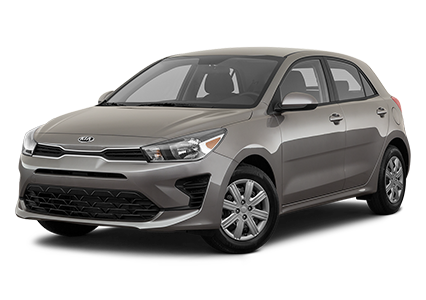
- Pick a vehicle that matches your itinerary. Compact cars are great for the city, while longer trips may benefit from extra space or power.
Driving tips in Reykjavik City
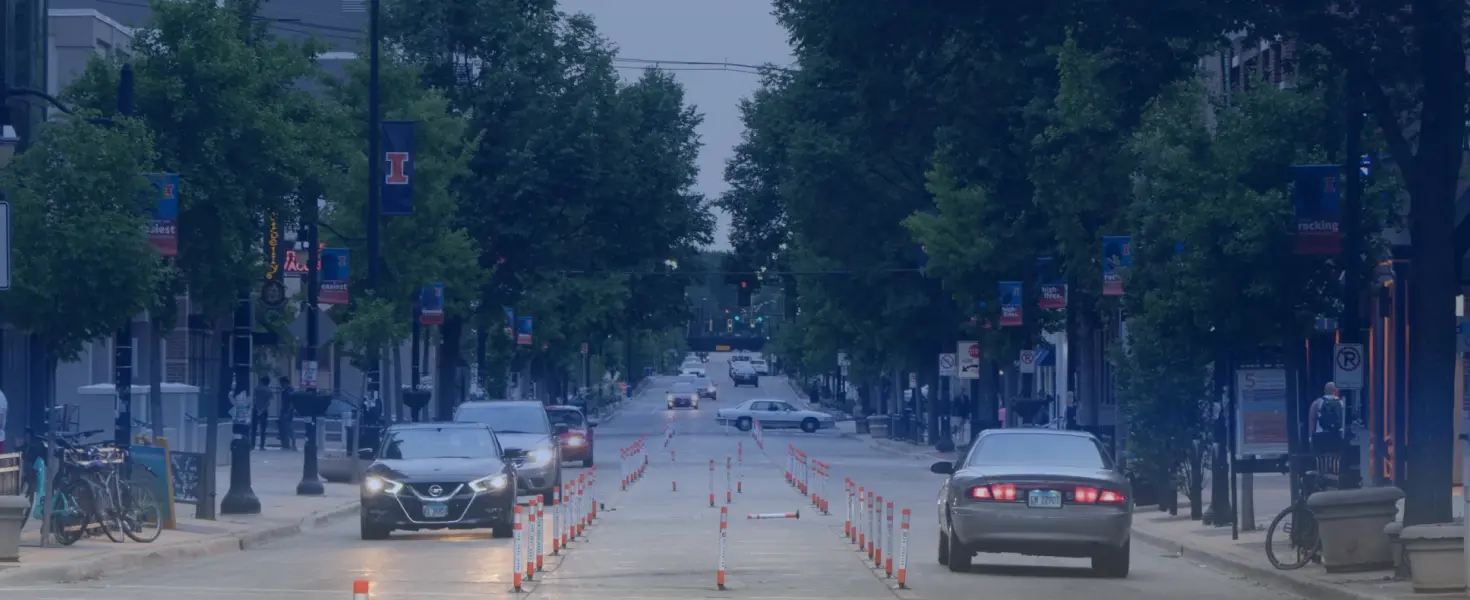
- Drive on the right-hand side of the road at all times.
- Headlights must be on day and night, regardless of weather or season.
- Yield to traffic already in roundabouts, which are common throughout the city. When driving through roundabouts, remember that vehicles already inside have the right of way.
- Watch for pedestrians and cyclists, particularly in the downtown area.
- Never drive off marked roads, as off-roading is illegal and can result in heavy fines.
Speed limits
Speed limits in Reykjavik City are strictly enforced and designed with safety in mind. In most urban areas, the default limit is 50 km/h, but it often drops to 30 or 40 km/h in residential neighbourhoods and near schools. Some main roads may allow slightly higher speeds, but these are clearly signed.
Outside the city, limits increase depending on road type, with lower speeds on gravel roads and higher limits on paved highways. Speed cameras are widely used, and fines can be expensive, so it’s best to stick closely to posted limits.
Road signs
Road signs in Reykjavik follow European standards and are easily recognizable by their shape and colour. Warning signs are typically triangular with red borders, while circular signs indicate restrictions such as speed limits or parking rules. Blue signs are often used for directions, services, and parking information.
Tolls and restricted zones
Reykjavik itself does not have traditional road tolls, which makes city driving simple. However, parking in central areas is paid and divided into zones with different rates and time limits.
Outside the capital region, Iceland has very limited toll roads, and these are clearly marked and handled digitally rather than with toll booths. You typically pay tolls online at www.veggjald.is up to 24 hours before or after driving through, using your rental car’s license plate and a credit card. Make sure you pay promptly to avoid hefty fines and service fees.
Discover Reykjavik City by car
Having a car in Reykjavik opens up far more than just city sightseeing. You can easily visit landmarks like Hallgrímskirkja, Harpa Concert Hall, and the Sun Voyager sculpture, then continue on to geothermal spas, coastal viewpoints, or quieter neighbourhoods without worrying about bus schedules.
A rental car also makes it easy to stock up on groceries, explore local cafés, or chase better weather and views.
When to visit
Summer brings long daylight hours and a lively atmosphere, making it ideal for road trips and outdoor exploration. Shoulder seasons offer fewer crowds and a mix of daylight and darkness, while winter is perfect for travellers hoping to see the Northern Lights and enjoy hot springs, though daylight is limited.
Languages & communication
Icelandic is the official language in Reykjavik, but travellers rarely face communication issues. English is widely spoken and understood, especially in hotels, restaurants, and car rental offices.
Currency & payments
The local currency is the Icelandic króna (ISK). While cash is accepted, Reykjavik is largely a cashless city, and credit or debit cards are used almost everywhere, including parking machines and fuel stations.
When renting a car, make sure your card is insertable and has a PIN, as most petrol stations are self-service and require one for payment.
Top driving routes from Reykjavik City
Reykjavik is the perfect starting point for some of Iceland’s most famous drives. With a rental car, you can easily reach:
- The Golden Circle, featuring national parks, geysers, and waterfalls
- The South Coast, known for black sand beaches and dramatic cascades
- The Reykjanes Peninsula, with volcanic landscapes and geothermal lagoons
- West Iceland routes that showcase quieter scenery and historic sites
FAQ
Do you need a rental car in Reykjavik City?
You can get around central Reykjavik on foot or by bus, but a rental car is highly recommended if you plan to explore beyond the city. Many of Iceland’s top attractions are outside urban areas, and having your own vehicle saves time and offers much more flexibility.
How to pay tolls in Reykjavik City with a rental car?
There are no standard road tolls within Reykjavik City. For parking or any toll roads elsewhere in Iceland, payment is handled digitally, often through apps or online systems.



 Drive on
 Average price
 Cheapest price
 Most popular car type
 Best month to book
 Top rated supplier