Tips for Renting a Car Inexpensively in Alicante
Looking for a cheap car rental in Alicante? With Economybookings, you can easily compare multiple providers to find the best possible deal across the country. Whether you're exploring major cities or venturing into rural regions, a quick comparison can save you time and money.
- Compare pickup locations – Select the broader city instead of a specific location to unlock more deal options, including off-airport savings.
- Slightly adjust pickup times and dates – Even changing your booking by an hour can reveal lower rates.
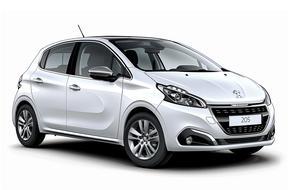
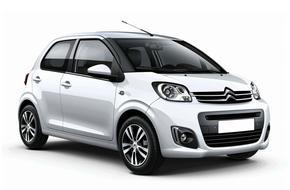
- Choose economy or compact cars – These vehicle types are usually the most budget-friendly.
- Book early – Especially during peak travel seasons (summer, holidays), advance booking helps secure lower prices and better availability.
Tips When Renting a Car in Alicante
Alicante enjoys a Mediterranean climate and mild weather year-round, attracting both national and international tourists. If you're planning to rent a car, especially during summer or Easter, it's best to book early to lock in better rates and guarantee availability.
The most convenient spot to pick up your rental car is Alicante-Elche Miguel Hernández Airport, but you'll also find good options at Alicante's train station if you're arriving from another city.
Renting a car gives you lots of freedom to explore the Costa Blanca, think Altea, Calpe, Jávea, or Guadalest. A compact car is usually enough for local roads and small towns with narrow streets, but if you're traveling with luggage or family, consider a mid-size or SUV.
Central Alicante can get quite busy during rush hour (8:00-9:30 AM and 5:30-8:00 PM). If you want to avoid delays, steer clear of Avenida de Dénia and Gran Vía during those times.
Keep in mind that central Alicante has regulated parking zones (blue and green lines), where payment is required during business hours.
Driving Tips in Alicante
- Always carry your driver's license, rental contract, and insurance documents.
- Drive on the right, overtake on the left, and always signal your intentions.
- Pedestrians have the right of way at crosswalks; make sure you stop for them.
- Be especially careful around cyclists, particularly near the coast or in mountainous areas.
- Roundabouts require attention. Pick your lane before entering: inner lane for overtaking and outer lane for exiting. Yield to vehicles already in the roundabout and signal right before exiting.
- Popular gas stations include Repsol, Cepsa, BP, and Ballenoil.
- Spain has strict alcohol laws: the limit is 0.5 g/L (0.3 if your license is under two years old). Fines can easily exceed €500.
- Blue zone parking in Alicante is active Monday to Friday (9 AM-2 PM and 4 PM-8 PM) and Saturday mornings (9 AM-2 PM). Parking is free on Sundays and public holidays. You can pay using apps like Telpark or at the meter with a card or coins.
Speed Limits
- 120 km/h (75 mph) on highways
- 90 km/h (55 mph) on secondary roads
- 50 km/h (31 mph) on city streets
- 30 km/h (19 mph) on residential or narrow streets
- 20 km/h (12 mph) in shared pedestrian zones
The city has introduced many 30 km/h zones to improve road safety.
Road Signs
Road signs in Alicante follow the European standard: clear icons and limits in km/h. Low Emission Zones (ZBE) are clearly marked with vertical signs, especially in the city center. You'll also see bus-taxi lanes marked with red paint and signs. In the historic center and tourist areas, expect lots of 30 zones and pedestrian-priority streets. Signage for beaches and parking areas is clear and frequent.
Tolls and Restricted Zones
There are no toll roads or fees for driving in Alicante city. However, you might come across toll sections on the AP-7 if heading toward Cartagena (only some stretches).
Alicante has a Low Emission Zone (ZBE) in the Old Town, which restricts access to cars without an environmental sticker. There are also many pedestrian-only or resident-only streets in the historic center.
Discover Alicante by Car
Alicante is more than just sun and sand. Renting a car lets you explore inland mountains and quieter coastal spots. Visit the hilltop castle of Guadalest, take a scenic drive to the Algar Waterfalls, or explore fishing towns like Villajoyosa or Altea. You can also discover peaceful coves in Jávea or Moraira. Driving in this region is smooth and highly recommended.
When to Visit
Alicante is a coastal destination with warm, dry weather.
- Spring (April-June): Pleasant temperatures and a great time to explore castles and beaches without crowds.
- June: Celebrate the Bonfires of Saint John (Hogueras de San Juan), featuring lively parades, fireworks, and a buzzing atmosphere.
- September-October: Less heat and beaches are still perfect for a swim.
Languages & Communication
Both Spanish and Valencian are spoken in Alicante, though Spanish is more commonly used day to day. In tourist areas along the coast and the city, English is widely understood thanks to the number of international visitors and residents, so you shouldn’t have trouble getting by if you don’t speak Spanish.
Currency & Payments
The euro (€) is the local currency in Alicante. Credit and debit cards are accepted almost everywhere, including public transport, shops, and restaurants. Still, it's useful to carry a bit of cash, especially for small purchases at markets, ice cream shops, or local bars in the old town. ATMs are available throughout the city.
Top Driving Routes from Alicante
- Guadalest & Algar Waterfalls: A clifftop village and refreshing natural pools, perfect for summer.
- Jávea & Moraira: Turquoise coves for snorkeling and quiet harbors with a relaxed vibe.
- Elche: Just 30 minutes away, visit the famous palm grove, a UNESCO World Heritage Site.
- Vinalopó Castle Route: Sax, Biar, Villena, and Banyeres de Mariola, ideal for a mix of history and nature.
- El Hondo Natural Park: Great for birdwatching and peaceful walks.



 Drive on
 Average price
 Cheapest price
 Most popular car type
 Best month to book
 Top rated supplier