Tips for Renting a Car Inexpensively in Montreal
Looking for a Cheap Car Rental in Montreal? With Economybookings, you can easily compare multiple providers to find the best possible deal across Canada. Whether you're planning to explore vibrant urban areas or take a scenic drive through the surrounding countryside, a quick comparison can save you time and money.
- Compare pickup locations – Select the broader city instead of a specific location to unlock more deal options, including off-airport savings.
- Slightly adjust pickup times and dates – Even changing your booking by an hour can reveal lower rates.
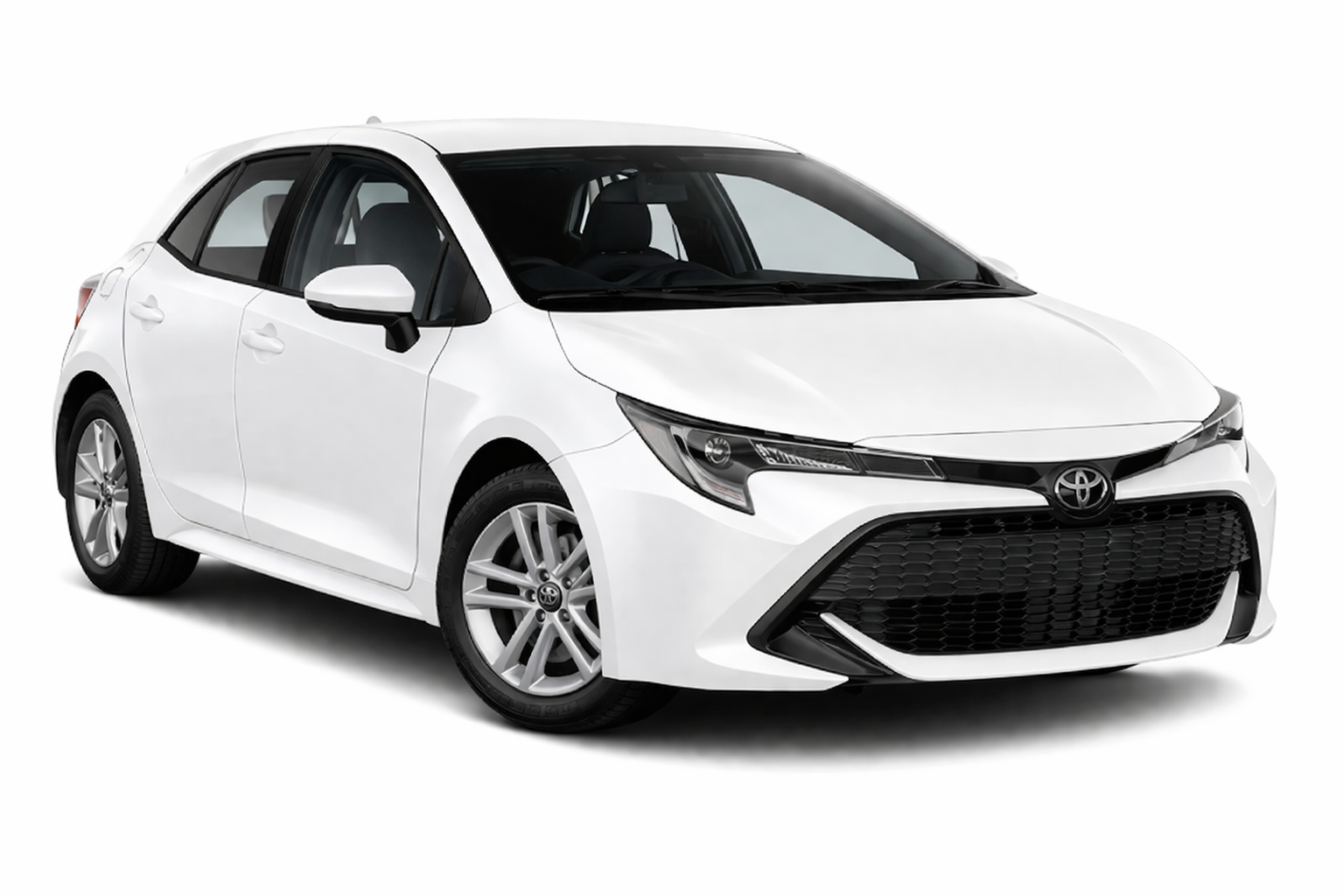
- Choose economy or compact cars – These vehicle types are usually the most budget-friendly.
- Book early – Especially during peak travel seasons like summer (June to August) and the winter holiday period, advance booking helps secure lower prices and better availability.
Tips When Renting a Car in Montreal
- Montreal is an extremely walkable city with a strong public transport system. Rent a car only if you plan to explore outside the city.
- Rent a smaller car if you plan to drive within the city centre, as Montreal’s older neighbourhoods have many narrow, one-way streets.
- Pick up your car at the airport for easier access.
- Inspect the car and take photos before and after you rent.
Driving Tips in Montreal
- Drive on the right and overtake on the left.
- Make sure your car has winter tires between December 1st and March 15th—it’s the law!
- Avoid rush hour traffic downtown between 7 a.m. and 9 a.m. and 3:30 p.m. and 6:30 p.m.
- Watch for “no right turn on red” signs, as doing so is illegal in Montreal.
- Use parking apps like Mobicité or clicknpark to find and pay for parking. Be ready for street parking challenges as some zones switch sides on certain days.
- Popular gas stations: Ultramar, Esso, Shell, Petro-Canada.
- Keep your license, rental papers, and insurance with you at all times.
- Plan around Montreal’s many road construction and detour spots using Waze or Google Maps.
Speed Limits
Montreal typically abides by the same speed limits as the rest of Canada, but there’ll usually be a sign showing exact speed limits depending on the road type. As a rule of thumb, these speed limits apply to these specific kinds of roads:
- Highways: Max 100 km/h (62 mph)
- Gravel roads: Max 70 km/h (45 mph)
- Streets in towns and cities: Max 50 km/h (31 mph)
Road Signs
Quebec is the only Canadian province where French is the majority and official language, which means you’ll see road signs primarily in French in Montreal. Major highway signs will often have English on them too, but you may have to rely on imagery to figure out some directions or warnings. Luckily, the signs are straightforward and easy to understand. Having a GPS on hand will make navigating even easier.
Tolls and Restricted Zones
There are two toll roads in Montreal, but not within the city. These roads connect cities and provinces together. The A-25 has a toll bridge that connects Laval to Montreal, while the A-30 is a toll highway that connects Ontario to Quebec.
For the A-25, tolls are collected through video tolling or a transponder, but can be paid online. For the A-30, tolls can be paid using debit and credit cards at all open lanes, or by using a transponder. If you plan to use these tolls, it’s best to plan in advance and speak to the rental company about how best to pay as a visitor.
Discover Montreal by Car
In an otherwise homogeneous country, Montreal stands out for its European feel, vibrant arts and food scene, historic architecture, and major international festivals. While it won’t be difficult to get around on foot and using public transit, a car can help you zip from place to place so you spend less time commuting and more time seeing the sights.
You might drive to Old Montreal and park in an underground garage to begin your journey, head to Mount Royal Park, or check out the Biodome at Olympic Park.
When to Visit
Montreal is most pleasant to visit between April and October to avoid shorter daylight hours and intense cold and snow in the winter months. Spring is fantastic for its blossoming flowers and fewer crowds, while summer is best for its festival scene and warm temperatures. Fall is prime time for fall foliage.
Languages & Communication
French is the primary language used and spoken on a daily basis around Montreal. That being said, most signage features English, and visitors rarely face language barriers as the majority of residents are bilingual.
Currency & Payments
Montreal uses the Canadian Dollar. Credit and debit cards are widely accepted, and contactless payments are often preferred, even at gas stations, parking machines, restaurants, and shops.
Top Driving Routes from Montreal
Montreal is in the heart of both charming towns and incredible natural beauty, which means you can satisfy your craving for culture and the great outdoors.
- Chemin du Roy – Skip the Trans-Canada Highway and take the scenic route on the Chemin du Roy, passing by a variety of heritage sites and rolling countryside views.
- The Laurentian Shield to Ottawa – Have plans to head off to Ottawa after your Montreal trip? Drive by the Laurentian Shield’s mountains, forests and lakes on your way there.
- Brome-Missisquoi’s Wine Route – A long network of four routes, you can visit as many as 20 vineyards and two dozen restaurants to get a taste of the local produce and wines.
- Eastern Townships Circuit – Want to escape Montreal for a bit and return later on? Take a scenic drive to Quebec City passing Rawdon, the Trois-Rivière, Terrasse du Chevalier-de-Lévis, Beauce, and Sherbrooke.
These drives are perfect for day trips or weekend getaways, with easy-to-drive-on roads and plenty of spots to marvel at and explore.


 Drive on
 Average price
 Cheapest price
 Most popular car type
 Best month to book
 Top rated supplier