Tips for Renting a Car Inexpensively in Washington, DC
Looking for a cheap car rental in Washington, DC? With Economybookings, you can easily compare multiple providers to find the best possible deal across the District of Columbia. Whether you're planning to explore the city’s many attractions or venture out to the surrounding areas in Maryland and Virginia, a quick comparison can save you time and money.
- Compare pickup locations – Select the broader district instead of a specific location to unlock more deal options, including off-airport savings.
- Slightly adjust pickup times and dates – Even changing your booking by an hour can reveal lower rates.
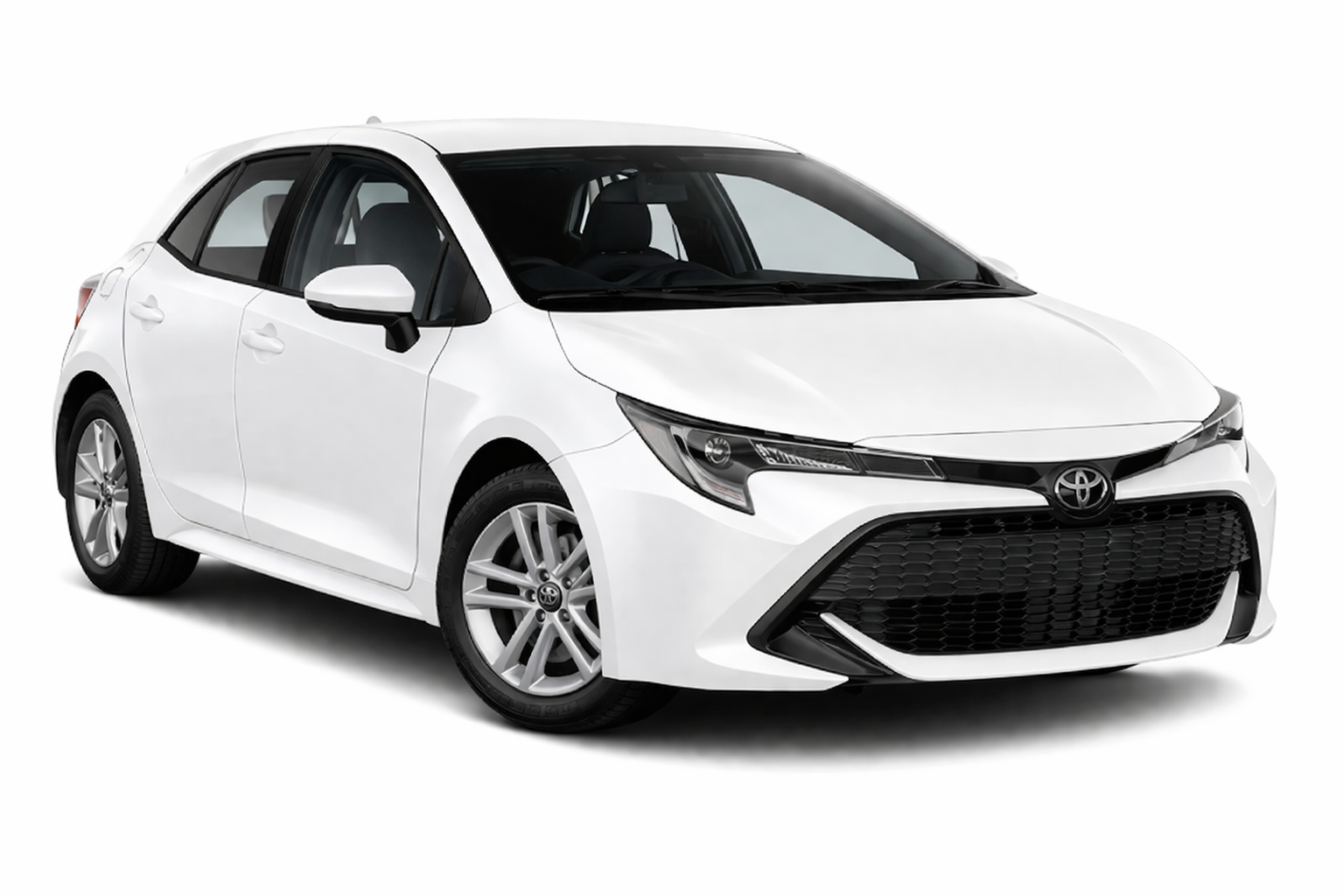
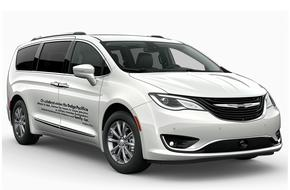
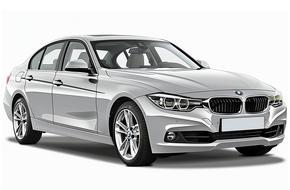
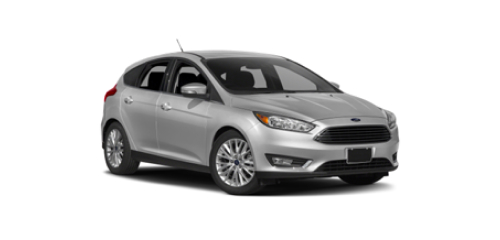
- Choose economy or compact cars – These vehicle types are usually the most budget-friendly.
- Book early – Peak travel seasons like summer (June to August) and the winter holiday period often see higher prices, so reserving in advance helps secure better rates and availability.
Tips When Renting a Car in Washington, DC
- Rent a car if you plan to visit historic sites in Virginia or Maryland—public transport is good within the city, but limited beyond.
- Avoid rush hour traffic on I-495 (Capital Beltway) and major commuter routes into downtown, especially during mornings and evenings.
- Pick up your rental car at Ronald Reagan Washington National Airport (DCA) or Washington Dulles International Airport (IAD) for the widest selection.
- Choose a mid-size or compact car for easier parking in tight garages and residential neighborhoods.
- DC has no low-emission zones, but toll roads are common in nearby Virginia—ask your rental company about toll payment options.
- Always inspect the car and take photos before and after your rental.
Driving Tips in Washington, DC
- Drive on the right and overtake on the left.
- Headlights flash as a polite signal (e.g., to let you pass), not as aggression.
- Stay out of the left lane on highways unless passing.
- Use parking apps like ParkMobile or SpotHero to find and pay for parking in the city.
- Note parking signage: many zones in DC have residential restrictions and time limits.
- Popular gas stations: Exxon, Sunoco, and BP.
- Keep your license, rental papers, and insurance with you at all times.
- Interstate 395 and I-66 connect downtown DC with Northern Virginia; expect heavy traffic during commuting hours.
Speed Limits
In Washington, DC, speed limits are typically 25 mph (40 km/h) on city streets, 35–45 mph (56–72 km/h) on larger roads, and 55–65 mph (88–105 km/h) on highways in the surrounding states. Always watch for posted signs, as limits can vary frequently in residential and school zones.
Road Signs
US road signs follow international standards and are usually clear and well-placed. They’re primarily in English and use symbols for quick understanding. Speed limit signs are in miles per hour (mph). In DC, watch for signs marking bus lanes, one-way streets (especially downtown), and school zones, which may have time-based restrictions and lowered speed limits.
Tolls and Restricted Zones
There are no toll roads inside Washington, DC itself, but toll routes are common in Virginia and Maryland. Major toll roads include the Dulles Toll Road (VA 267), the I-95 Express Lanes, and the Intercounty Connector (MD 200). These roads accept E-ZPass, which is the most cost-effective option. Drivers without a transponder can use Pay-By-Plate systems, though fees are higher. Most rental cars come with toll payment options—check with your provider for details.
Discover Washington, DC by Car
Washington, DC is a city filled with iconic landmarks, world-class museums, and historic neighborhoods, but it also makes a great base for regional exploration. With a rental car, you can easily reach the charming towns of Maryland, the scenic landscapes of Virginia, and even beaches on the Atlantic coast. Having a car allows you to venture beyond the National Mall and discover destinations that public transportation does not conveniently reach.
When to Visit
Washington, DC is a year-round destination, but spring (March to May) and fall (September to November) are the best times to explore by car. The cherry blossoms in spring and colorful foliage in autumn make for scenic drives. Summers can be hot and humid, while winters may bring snow—check road conditions if traveling during colder months.
Languages & Communication
English is the primary language spoken in Washington, DC, but as a capital district, you’ll hear many other languages, including Spanish, French, Chinese, and Arabic. Attractions, hotels, and restaurants are well-prepared to accommodate international visitors, with most signage and services available in English.
Currency & Payments
Washington, DC uses the U.S. Dollar (USD$). Credit and debit cards are widely accepted, with contactless payments commonly used at gas stations, restaurants, and parking meters. ATMs are easy to find throughout the city and the surrounding suburbs.
Top Driving Routes from Washington, DC
- Shenandoah National Park (Skyline Drive) – Around 1.5 hours west, this scenic drive offers mountain views and hiking trails.
- Annapolis, Maryland – Less than an hour away, this historic waterfront city is perfect for dining, shopping, and sailing.
- Gettysburg, Pennsylvania – About 1.5 hours north, this drive leads to the famous Civil War battlefield and historic town.
- Chesapeake Bay – In 3 hours, you can reach charming small towns and coastal scenery.
- Virginia Wine Country (Loudoun County) – Just over an hour’s drive west, this area is filled with rolling hills and wineries.



 Drive on
 Average price
 Cheapest price
 Most popular car type
 Best month to book
 Top rated supplier